

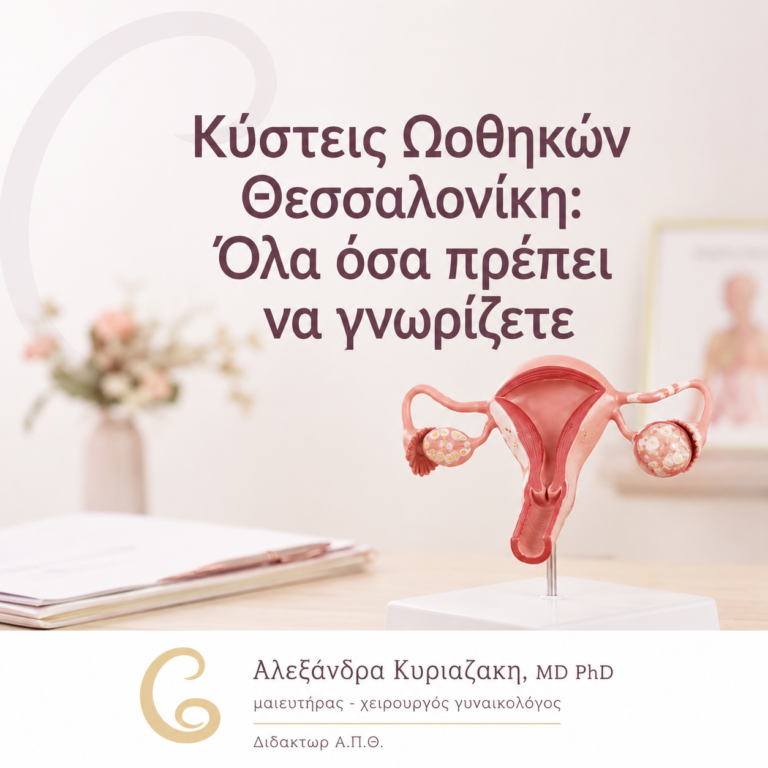
The uterine fibroids are benign tumors that develop in the muscular wall of the uterus and are one of the most common gynecological diseases. Although they are not related to cancer, they can cause significant symptoms and affect quality of life.
SYMPTOMS
Fibroids may be asymptomatic, however in many women they cause:
- Heavy or prolonged menstruation.
- Pain or feeling of heaviness in the abdomen.
- Frequent urination or difficulty emptying the bladder.
- Constipation due to pressure on the intestine.
- Difficulty conceiving or repeated miscarriages.
DIAGNOSIS
Diagnosis is made by:
- Gynecological examination to detect an enlarged uterus.
- Pelvic ultrasound which is the most common imaging method.
- Magnetic resonance imaging (MRI) for a more detailed assessment of location and size.
- Hysteroscopy when there is a suspicion that the fibroid is affecting the inside of the uterus.
TREATMENT
The choice of treatment depends on the size, location, symptoms, and the woman's desire to preserve her fertility.
- Monitoring: If the fibroids are small and not causing symptoms, regular monitoring may be sufficient.
- Drug treatment: Hormonal therapies are used to reduce the symptoms and size of fibroids.
- Minimally invasive methods:
- Hysteroscopic removal for fibroids that grow within the endometrial cavity.
- Laparoscopic removal for larger or multiple fibroids.
- Uterine artery embolization, which reduces blood flow to the fibroids so that they shrink.
- Surgical hysterectomy: In severe cases, when symptoms are severe and other treatments are ineffective.
MANAGEMENT TIPS
- Do not ignore prolonged or heavy bleeding.
- Discuss all treatment options with your doctor, especially if you wish to become pregnant.
- Regular ultrasound monitoring is necessary to assess progress.
CONCLUSION
Uterine fibroids are a common, but completely manageable condition. With early diagnosis and appropriate treatment, most women can manage their symptoms and significantly improve their quality of life.












 English (UK)
  Ελληνικά