

Sometimes, pregnancy leads you to deal with situations that you never had a problem with before. Maybe you used to get enough sleep at night and now you need a daily nap. Maybe you were picky about certain foods and now you can’t get enough of them. Then there are the medical conditions that can arise – like gestational diabetes or pregnancy anemia. The thing is, pregnancy can cause a variety of changes to your body and your well-being, and thus requires proper attention and care.
Learn about pregnancy anemia: Causes, symptoms, and treatment
Today, we're going to focus on pregnancy anemia, which is the most common type of anemia. Your body needs up to 30 percent more blood during pregnancy—after all, you're sharing your blood supply with your baby—and that means it needs more iron to produce those extra red blood cells. You usually get iron and the other nutrients you need from the foods you eat – although they can also be taken in through supplements. Anemia occurs when your iron stores are low. This is one reason why regular prenatal visits and tests are so important. Your gynecologist will perform regular blood tests to check if you have enough iron. ATTENTION: Excess iron can be more dangerous than deficiency. Never take an iron supplement without first asking your gynecologist. Taking too much iron can harm both you and your developing fetus. There are three different types of anemia associated with pregnancy:
- Iron deficiency anemia
- Folic acid deficiency anemia
- Vitamin B12 deficiency
Folic acid and vitamin B12 are related to the production of new, healthy red blood cells, so a deficiency in either of them can also lead to anemia.
What are the symptoms of pregnancy-related anemia?
Some of the symptoms associated with pregnancy anemia include:
- Fatigue
- Pale skin and lips
- Dizziness
- Weakness
- Inability to concentrate
- Tachycardia
- Difficulty breathing
This list of symptoms may sound more like the most common symptoms of pregnancy for most women. Indeed, many of the symptoms are also typical of pregnancy in general. However, it is worth mentioning them to your doctor, especially if you have not had any recent blood tests or if any of them have developed recently.
How is pregnancy anemia treated?
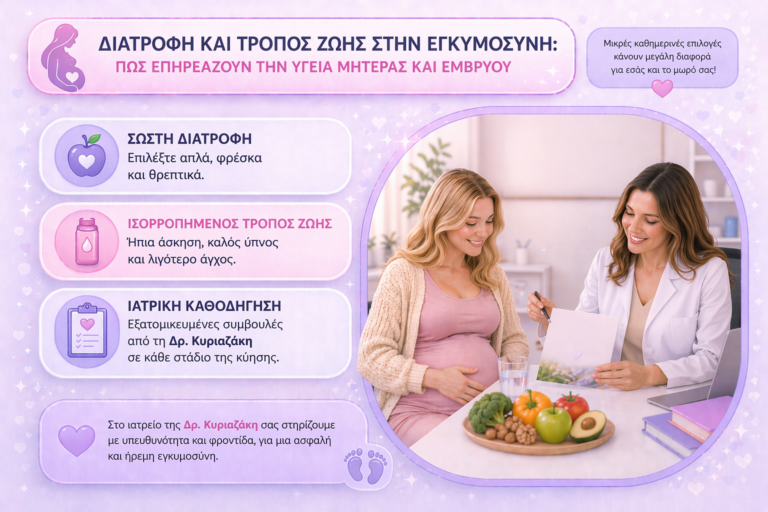
First, we want to reiterate that the best way to treat anemia is to prevent it from developing in the first place. Make sure you consume more than your normal amounts of vegetables and lean proteins with higher iron content, such as green leafy vegetables (lettuce, cabbage, broccoli, greens, etc.), lean meats, and eggs. Vitamin C helps facilitate iron absorption, so also increase your intake of foods like oranges, strawberries, kiwis, tomatoes, and peppers. Also, dairy products like milk and cheese can block iron absorption, so keep your dairy separate from your iron-rich foods. Prenatal vitamins almost always contain iron, folate, and B12. Consult your gynecologist to see which prenatal supplement she recommends. In some cases, she may write you a prescription for a specialized prenatal vitamin higher in certain nutrients, or she may want you to take a separate iron supplement. Remember: NEVER take any nutritional supplement — especially when you’re pregnant — without checking with your doctor.








 English (UK)
  Ελληνικά