

Prevention saves lives, and this is even more true when we talk about cervical cancer and protecting women's health.There are several measures you can take to reduce your risk of developing the disease.
HPV vaccination
HPV (human papillomavirus) is the main factor for cervical cancer. – HPV vaccine: Vaccination against the human papillomavirus (HPV) is one of the most effective preventive measures. HPV is directly linked to cervical cancer, and vaccination can reduce the risk of infection. – Recommended age: Vaccination is recommended for girls and boys aged 11-12 years, but can also be done at older ages.
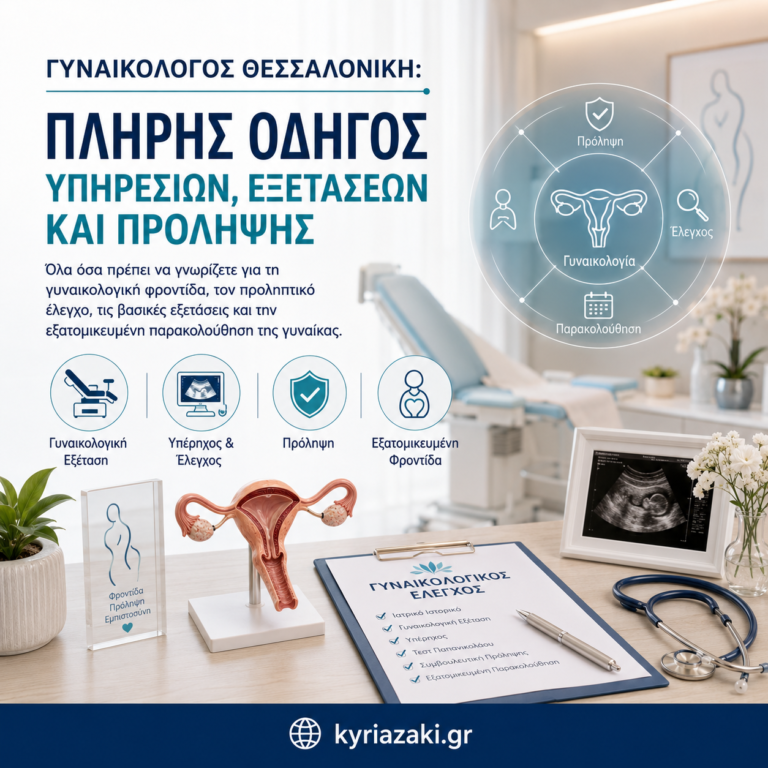
Regular Gynecological Examinations
– Pap test: Regular Pap tests can detect abnormalities in cervical cells before they develop into cancer. – HPV test: The HPV test helps detect the presence of the virus, especially in women over 30 years of age.
Safe Sexual Practices
– Condom use: Can reduce the risk HPV transmission and other sexually transmitted infections. – Limiting partners: Reducing the number of sexual partners can reduce the risk of infection.
Maintaining a Healthy Lifestyle
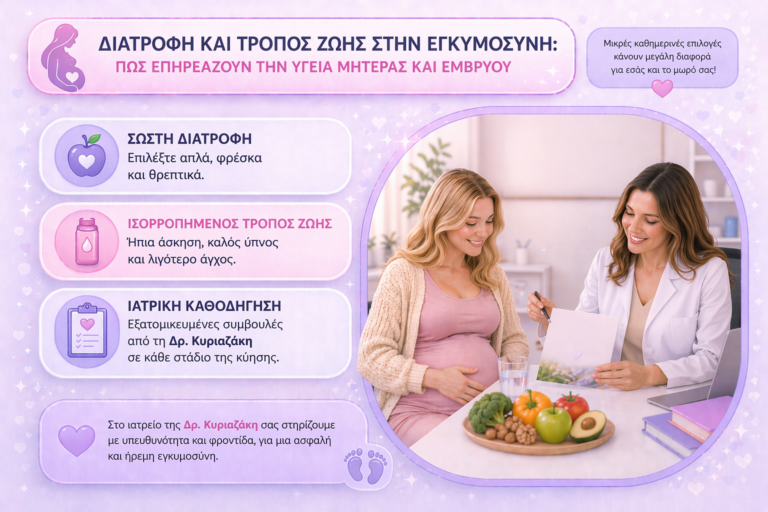
– Avoidance Smoking: Smoking is associated with an increased risk of developing cervical cancer. – Healthy diet: Eating foods rich in vitamins and antioxidants can strengthen the immune system.
Conclusion
Prevention of cervical cancer it is not difficult, requires the combined application of vaccination, regular examinations and the adoption of a healthy lifestyle. Collaboration with your gynecologist is key to proper prevention and early detection of potential problems. Prevention starts with information.








 English (UK)
  Ελληνικά