

Prenatal check-ups include all the tests recommended during pregnancy to ensure the good health of the mother and baby. The majority of women experience a smooth and uncomplicated pregnancy. This is largely due to the program of regular prenatal tests, the development of which in recent years has reduced maternal and fetal mortality to very low levels in developed countries. However, there are many conditions in pregnancy that are considered problematic and may endanger the health of the mother and fetus. Some of the most common are Gestational Hypertension, Gestational Anemia, Gestational Diabetes Mellitus. Regular tests allow the detection of these conditions so that they can be treated in a timely manner. The tests performed they are safe procedures that aim to minimize the chances of developing a pathological condition for both the mother and the fetus. In addition, prenatal checkups are the time when your baby's development can be monitored. Let's take a closer look at what these tests are and what their usefulness is.
What is the prenatal check-up schedule?
The schedule of prenatal checkups is based on the gestational age. Generally, you are required to see your doctor monthly until the 28th week of pregnancy, then every two weeks until the 36th week of pregnancy, and then weekly until delivery.
What are you waiting for?
During your first visit, the doctor will take a detailed history of your pregnancy and related medical conditions. Mention any health conditions you have had, such as diabetes, high blood pressure, heart disease, kidney problems, liver disease, and anemia. The doctor will also ask you about your complete gynecological and obstetrical history, including any abortions, the timing and reasons for these abortions, any allergies to medications, as well as your and your husband's blood type, if known. This is often a good time to express your questions, thoughts, clarify your doubts, and seek advice. The doctor will then proceed with your examination. First, he or she will perform a general physical exam that will include looking under your eyes and tongue, taking your pulse, and checking your blood pressure. Next, the doctor will examine your abdomen for the size of your uterus. After that, he or she will listen to your heart and check your chest and neck to rule out any problems with your chest or thyroid. During this visit, a physical exam will also be performed. your height and weight.
What tests will be performed?
The doctor will refer you for some tests to confirm the pregnancy, but also to assess other parameters. The tests you need to do include a test for hemoglobin, cell count, liver function test, kidney function tests, blood group, HIV, VDRL, HbsAg and some more. After this initial series of tests at every visit Your blood and urine will be tested.for hemoglobin and proteinuria.
Epilogue
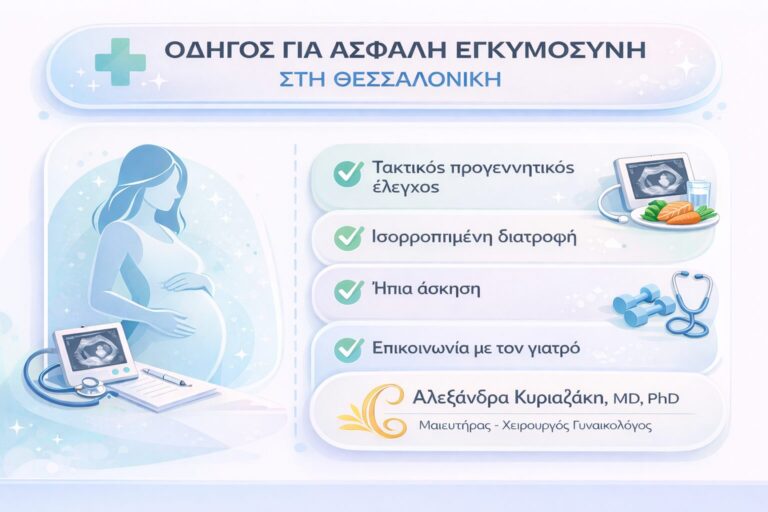
Prenatal checkups are the best way to ensure that both mother and baby maintain excellent health throughout pregnancy. With proper prenatal care and regular checkups, pregnant women can safely prepare for the arrival of their new family member.
















 English (UK)
  Ελληνικά