
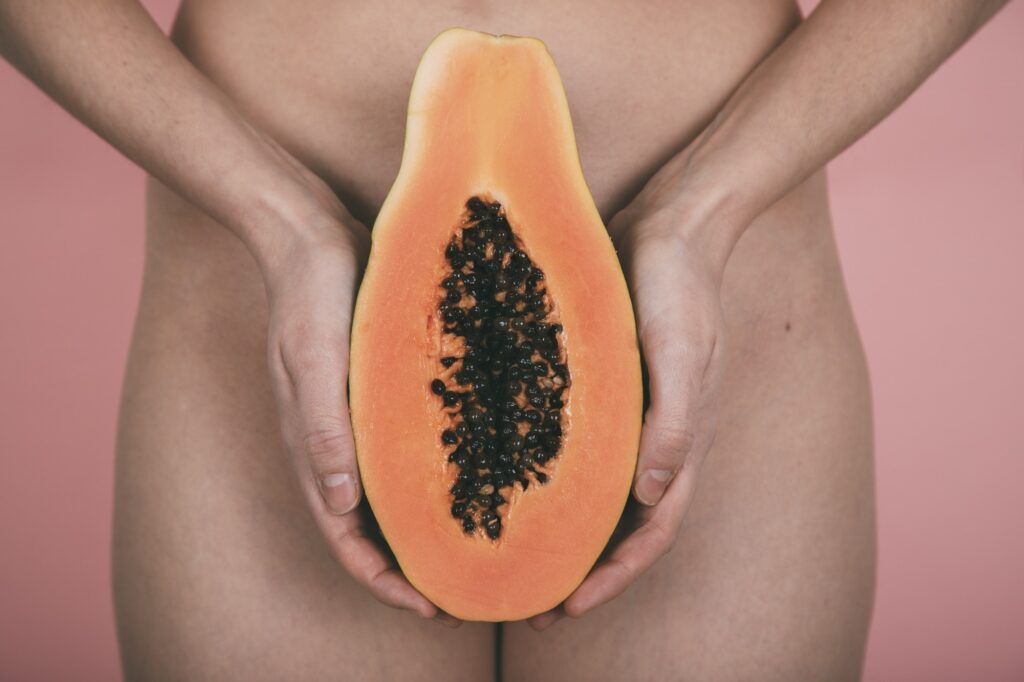
POLYCYSTIC OVARY SYNDROME
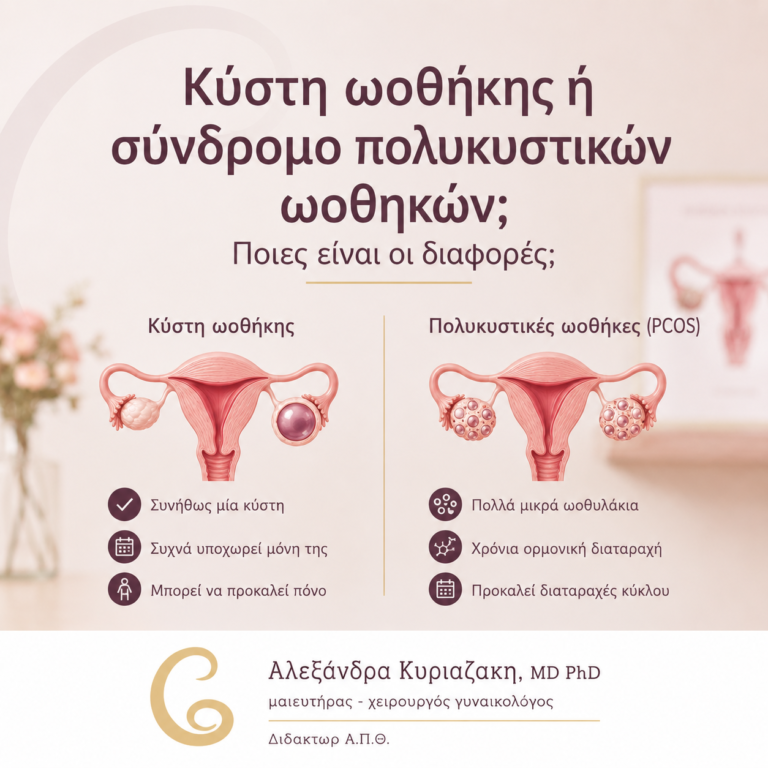
Did you know that Polycystic Ovary Syndrome (PCO) is a hormonal issue that can affect any woman's health and ability to conceive? It is a real disease that requires proper attention and treatment. Polycystic ovary syndrome is a general endocrine disorder in which the ovaries are enlarged and contain multiple small cysts. It is also one of the main causes of infertility in women. Great care should be taken not to confuse Polycystic Ovary Syndrome with polycystic-polyfollicular ovaries. The latter is a finding of ultrasound in routine gynecological examination. It is estimated that approximately 20% of women of reproductive age have polycystic ovaries, but only about 4-5% of women suffer from Polycystic Ovary Syndrome.
Among women who have this condition, the symptoms vary significantly. Unfortunately, the cause behind the appearance of this particular syndrome is not yet known to the medical community, although there are some experts who believe that polycystic ovary syndrome is linked to genetic factors. However, there is no comprehensive evidence to prove that it is hereditary.
The main features of the syndrome are hyperandrogenemia, ovulation disorder and polycystic ovary morphology. Women who present with the syndrome exhibit various hormonal disorders, the most characteristic of which is the relative increase in luteinizing hormone (LH) to follicle-stimulating hormone (FSH), and the increase in androgens. The diagnosis of the syndrome is made in the presence of a combination of diagnostic criteria, after excluding other endocrine diseases that present similar symptoms.
Symptoms experienced by a woman suffering from Polycystic Ovary Syndrome may include:
• Irregular periods, some women have fewer than eight periods a year
• Heavy bleeding
• Abdominal pain
• Increased hair growth on the face and body that
• Oiliness and acne
• Increased weight or obesity, usually in the abdominal area
• Hair loss
• Bicolors and hyperchromatic spots, such as on the neck and under the chest.
• Headaches and insomnia
Insulin resistance
• Hypertension
There are numerous techniques that have been widely used to treat Polycystic Ovary Syndrome. Birth control pills and other medications can help regulate your menstrual cycle and treat symptoms such as hair growth and acne. However, treatment techniques aim to treat the symptoms of the syndrome, not cure it, as this is not possible. They can, however, help you manage your symptoms and reduce your chances of long-term health problems such as diabetes and heart disease. In collaboration with your doctor, you can set your goals and come up with the appropriate treatment plan. For example, if you want to get pregnant, then treatment will focus on helping you conceive. It is important to mention that nutrition plays a special role in the development of PCOS and of course, your eating routine has a crucial role in treating the condition. At the same time, regular exercise and diet are recommended.
The more you know about Polycystic Ovary Syndrome, the better prepared you will be to manage it. Furthermore, you will be able to take preventive measures to detect it, as research shows that diagnosis can be delayed for several years.








 English (UK)
  Ελληνικά