
What is human papillomavirus (HPV)?
HPV is a very common virus that is transmitted through skin-to-skin contact and can infect the skin, cervix, vagina, vulva, anus, mouth, and pharynx. There are over 100 types of HPV, and some of them can cause warts, while others can cause infection, which in turn can cause precancerous lesions. All types of HPV are transmitted through skin-to-skin contact, and therefore full sexual intercourse is not required for transmission.
How common is HPV?
Most men and women – about 80% of sexually active people – are infected with HPV at some point in their lives, but most people are unaware that they are infected.
How is HPV related to cervical cancer?
Some strains of HPV can cause changes in the cells of the cervix, a condition called cervical dysplasia. If left untreated, high-grade cervical dysplasia (HGSIL) can develop into cervical cancer. HPV is the cause of cervical cancer in 991% of cases. However, having HPV or cervical dysplasia does not necessarily mean that a woman will get cervical cancer.
Regular Pap tests are the best protection against cervical cancer. The test detects precancerous changes and cervical cancer. Cervical cancer can almost always be prevented or cured if precancerous changes are detected and treated early.
How is human papillomavirus (HPV) diagnosed?
HPV is diagnosed with the Test Papanicolaou as well as with the typing of the virus with HPV DNA Test. In some high-risk cases, further evaluation with colposcopy may be necessary.
How is human papillomavirus (HPV) treated?
There is no cure for the virus itself, but many HPV infections go away on their own. When treatment is required, the goal is to relieve symptoms by removing any visible warts and abnormal cervical cells.
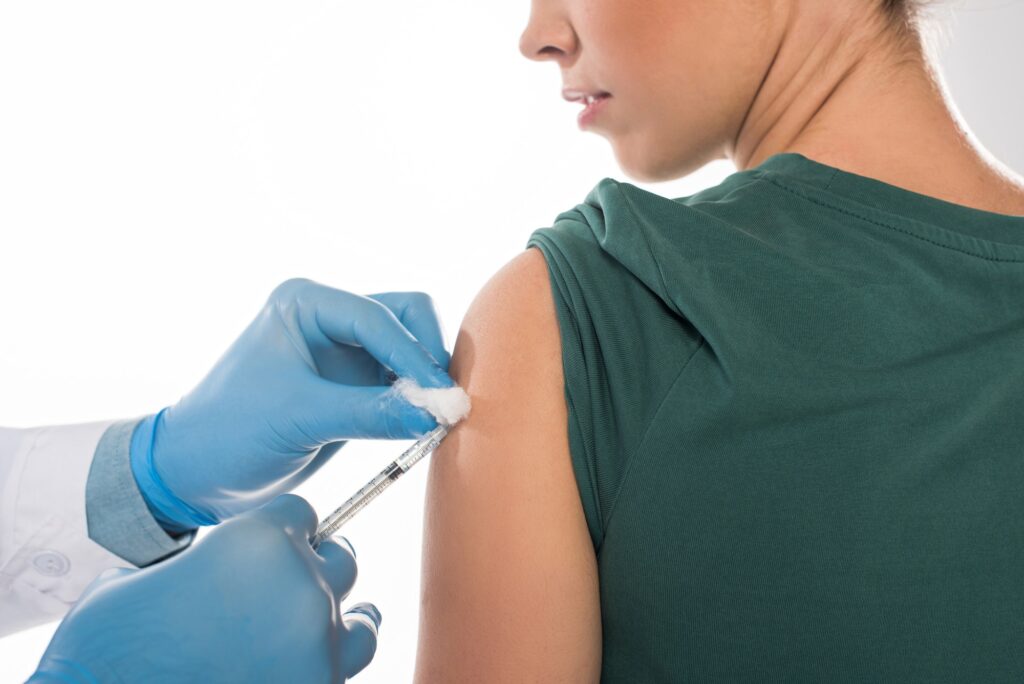
Vaccines play an important role in the prevention and treatment of HPV infection and for this reason, in order to be most effective, they should be administered before the start of sexual activity.


 English (UK)
  Ελληνικά