
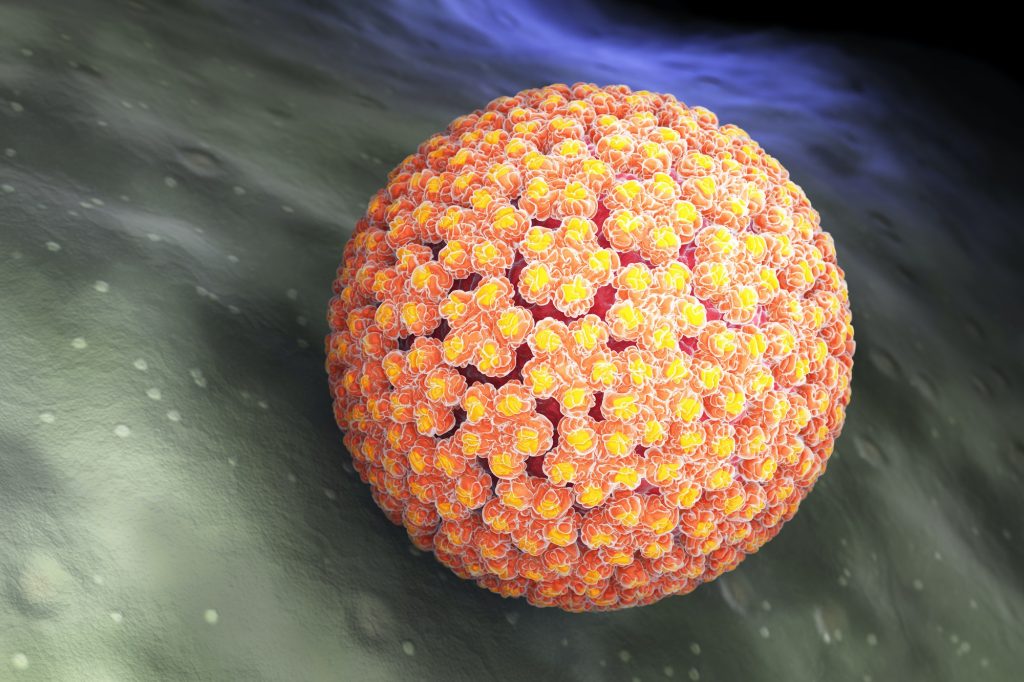
1. HPV very rarely becomes cervical cancer
While HPV causes cervical cancer, the risk of developing cervical cancer from the virus is still quite low. Only a small number of women who have one of the high-risk strains of HPV that cause cervical cancer will eventually develop the disease.
Cervical dysplasia, where cellular changes occur in the cervix, is a more common result after infection with the HPV virus.
2. HPV also causes Head and Neck Cancer.
One of the biggest – but least known – risks of HPV is the possibility of occurrence of head and neck cancer, with HPV spreading through oral sex to the oral cavity, tonsils, oropharynx, throat (cervix), larynx, salivary glands, nose, and sinuses.
3. Women shouldn't be ashamed of HPV
Any sexually active person may have been exposed to HPV. Women need to be free from the unnecessary stigma associated with the disease.
4. Vaccines save lives
The HPV vaccine has been shown to be extremely safe and can protect against nine high-risk (potentially carcinogenic) types of the virus. According to reports from all relevant international health authorities, it has an excellent safety profile. At least 20% of human cancers are caused by a specific infection and with the vaccine it would be possible to prevent or treat the disease by helping the immune system to recognize and eradicate the infection early.










 English (UK)
  Ελληνικά