
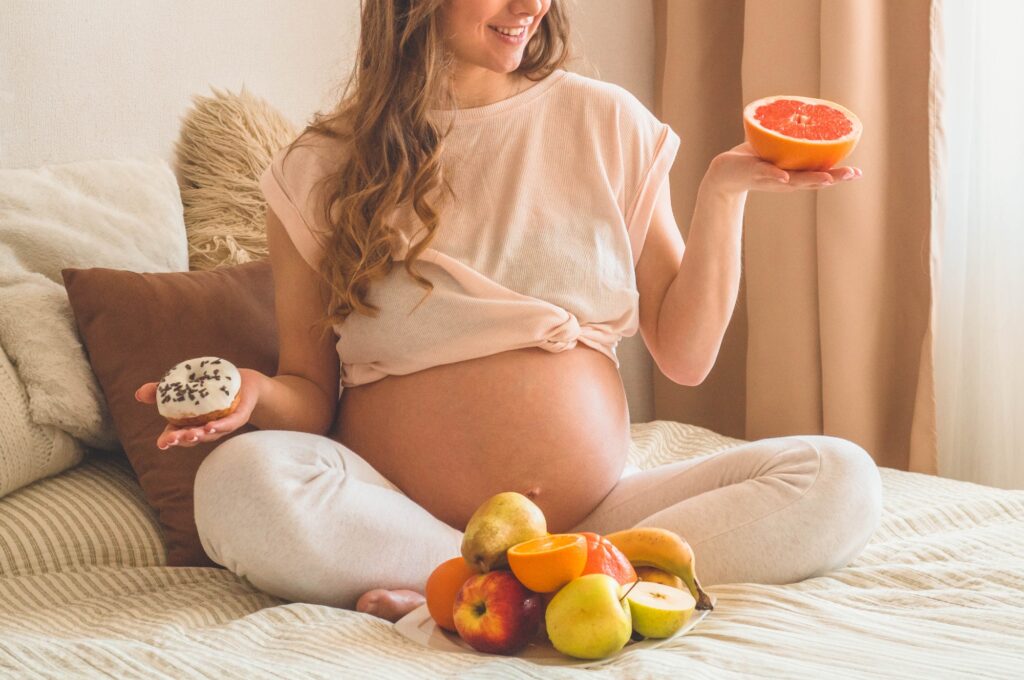
What foods should you eat and which ones should you avoid while pregnant?
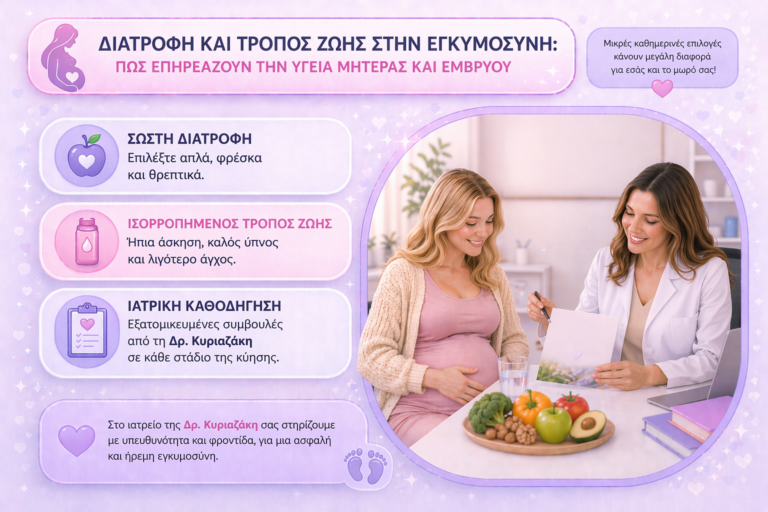
If you are pregnant or planning to become pregnant, then you definitely need to pay attention to a few things that you may have neglected earlier. Pregnancy means eating healthy, exercising regularly, and staying away from toxic substances. What you consume plays a huge role in how your baby develops and how your body copes with pregnancy overall.
Prenatal vitamins contain the essential vitamins and minerals that every woman needs during pregnancy. Folic acid, for example, is essential for the development of the baby's spinal cord. However, just taking a prenatal vitamin is not enough. When it comes to vitamins and minerals, it's always best to find ways to incorporate them into your diet by consuming nutritious foods that contain them.
Essential vitamins and minerals for pregnancy
# Iron
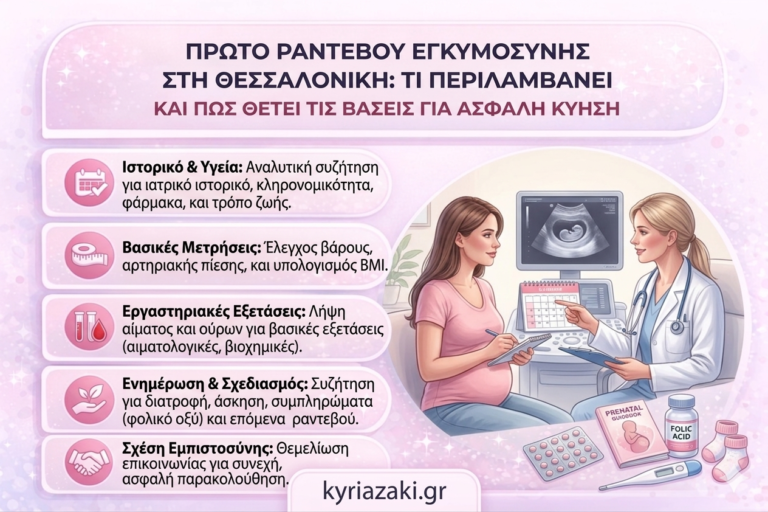
Iron helps oxygenate tissues. It is important to be diligent with prenatal visits to the gynecologist, so that he can monitor iron levels and recommend a supplement if he deems it necessary. Good sources of iron are spinach, broccoli, green leafy vegetables, pumpkin seeds, lentils, red meat.
# Vitamin D
Vitamin D helps keep your bones healthy and helps your baby's bones grow. Pregnant women need about 600 IU per day. Good sources of vitamin D include egg yolks, mushrooms, fortified juices, cereals, whole milk, and yogurt.
# Magnesium
Magnesium helps in the normal functioning of nerves and muscles and strengthens the immune system. Foods high in magnesium include green leafy vegetables, nuts, beans, peas, dark chocolate, avocado, tofu, whole grains, and bananas.
# Calcium
Most of us know that calcium is a building block of bones, so we can imagine what it does for the bones of a growing fetus. You need about 1,000 mg of calcium per day. Good sources of calcium include almonds, tofu, broccoli, kale, yogurt, beans, dairy products, beans, and lentils.
# Folic and folic acid
Folate and folic acid are members of the B vitamin family and protect the nervous system by preventing possible brain and spinal cord abnormalities. They also reduce the risk of premature birth. It’s important to look for folate and folic acid on the ingredient list of your prenatal vitamins. They’re naturally found in green leafy vegetables, fortified cereals, citrus fruits, and dried beans. Legumes are an excellent source of folate, and you should aim for 400 to 800 micrograms per day.
# Protein
Getting enough protein is especially important because protein is involved in many of the body's functions—even more so during pregnancy. Protein is essential for growth, so you can assume you'll need plenty for yourself and your growing baby. Some good sources of protein include lean meat, milk, cottage cheese, peanut butter, legumes, and eggs.
Pregnancy tips
Take your supplements daily and talk to your gynecologist about any trace minerals you think you may be lacking. Also, try to regularly include nutritious foods in your diet. With a quality diet and regular exercise, not only will you have a healthy baby, but you will also stay healthy. In addition, you will lose your pregnancy weight faster after giving birth.
Foods to avoid
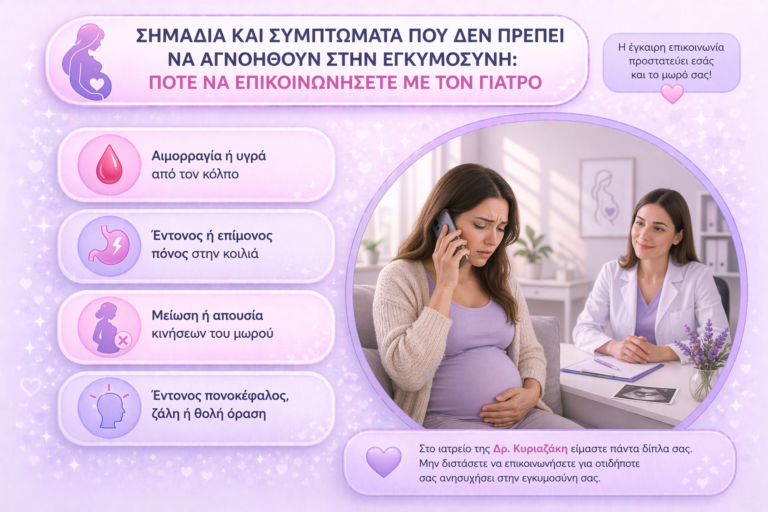
There are some foods that pregnant women should avoid. These include undercooked meat, sushi, deli meats, smoked seafood, raw eggs, soft cheeses, unpasteurized milk, caffeine during the first trimester, alcohol, vegetables that have not been washed properly, and fish with a high mercury content. Consult your gynecologist whenever you experience symptoms.
Be careful with the foods you eat, because pregnant women are more susceptible to listeriosis, a bacteria that can cause miscarriage. You could get listeriosis from cold cuts, soft cheeses, whole cooked chickens that have been refrigerated, salad dressings, etc. It is vital to make sure your diet is free of these foods.
Some of the foods listed are simply harsh on the senses and digestion of pregnant women. If you are early in your pregnancy and have a heightened sense of smell, then certain foods may make you feel nauseous. Towards the end of your pregnancy, when your uterus has grown considerably and is pushing the contents of your stomach back up into your esophagus, you should stay away from spicy foods as they can cause indigestion. Many women need antacids towards the end of their pregnancy. Of course, this varies from person to person.
For more information
Eating foods rich in natural vitamins and minerals and avoiding foods that doctors have deemed harmful to pregnancy are of utmost importance during the development of a fetus. While we primarily use food to gain energy, get pleasure, and connect with friends and family, food is also one of the most valuable tools for nourishing and supporting a healthy fetus.
For more information on maintaining the best nutritional habits during pregnancy, contact us at (+30) 2310 220267. Our medical team is willing to support you and provide you with the appropriate guidance to maintain a healthy pregnancy.





 English (UK)
  Ελληνικά