
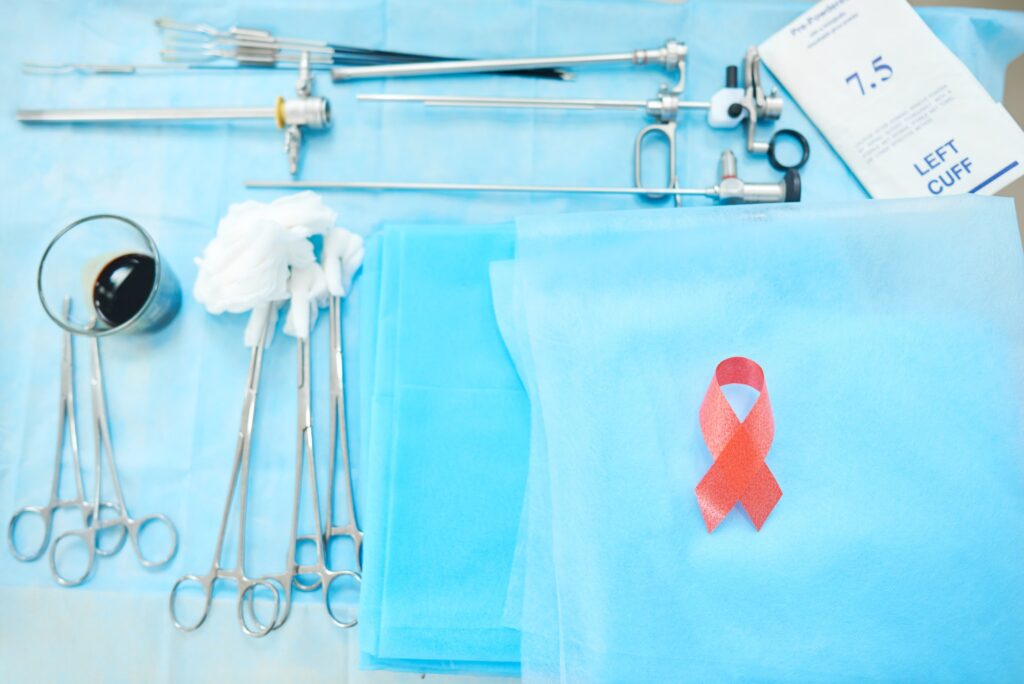
Hysterectomy is a surgical procedure to removal of the uterus. It is known as a total hysterectomy when the uterus and cervix are removed and is called a partial hysterectomy when only the uterus is removed. It is one of the most commonly performed gynecological surgeries in women. This surgical method makes the patient unable to have children in the future and also affects the levels of hormones in the body. Therefore, it is recommended only under specific conditions.
Hysterectomy may be performed for reasons such as the following:
- Uterine cancer, cervical cancer or ovarian cancer.
- Uterine fibroids that cause bleeding or pain.
- Uterine prolapse, in which the uterus falls from its original position into the vagina.
- Chronic pelvic pain.
- Endometriosis.
- Abnormal vaginal bleeding
- Adenomyosis which is thickening of the uterus.
Hysterectomy is performed in these conditions when other treatments have failed to correct the above problems. This surgery may be performed after studying the cause and the type of surgery is decided accordingly. In some cases, only the removal of the body of the uterus may be required, while in other cases, the removal of the body and cervix may be required. In a subtotal hysterectomy, only the upper part of the uterus is removed. In a total hysterectomy, the entire uterus and cervix are removed, and in a radical hysterectomy, the entire uterus, cervix, upper part of the vagina and part of the parametrium are removed.
There are different techniques for performing this surgery depending on the cause and medical profile of each patient. The two types of techniques are open surgery and MIP or minimally invasive procedure. In open surgery An incision is made from side to side or up and down the length of the abdomen and the uterus is removed. This is an abdominal hysterectomy and is the most common type. In MIP surgery There are many options such as vaginal hysterectomy, laparoscopic hysterectomy, laparoscopically assisted vaginal hysterectomy. The doctor decides the type of technique to be applied to you taking into account your health and other conditions and factors.
This is not a high-risk surgery. Most women who have undergone this procedure do not suffer from complications. In some cases, complications such as stump prolapse, chronic pain, urinary incontinence, and fistula formation may occur. If a woman has also had her ovaries removed, it will result in immediate menopause. If the ovaries have not been removed, menopause will simply come earlier than usual. The gynecologist may advise the patient not to lift heavy objects and to abstain from sexual intercourse for about 6 weeks after the operation.
Overall, this surgery has given many women relief from the pain they were experiencing due to a related medical condition.














 English (UK)
  Ελληνικά