

Ectopic pregnancies occur in an average of 1 in 50 pregnancies, making them more common than the general public may believe. They are also a high-risk condition for the mother because they can cause permanent damage to her reproductive system if not treated promptly. In an ectopic pregnancy, the fertilized egg implants outside the uterine cavity. In most cases, it implants in one of the fallopian tubes, which is called an ectopic tubal pregnancy, and is the 90% of ectopic pregnancies. Developing embryos have also been found attached to other organs in the pelvic or abdominal area, although this is rarer. Unfortunately, there is no way for an ectopic pregnancy to be completed. In a normal pregnancy, fertilized eggs are destined to travel through the fallopian tube, into the uterus, and implant in the thick, nutritious lining of the uterus. Outside the uterine cavity, the embryo cannot develop for long. However, it continues to develop for a while. When this happens in the narrow fallopian tube, it poses a serious threat to the mother. A rupture can cause major internal bleeding. This can be a life-threatening condition for the mother that requires immediate surgery. It also means the loss of a functioning fallopian tube. Because it is so serious, an ectopic pregnancy is considered a medical emergency.
Risk Factors for Ectopic Pregnancy
There are two critical steps women need to take to ensure proper management of an ectopic pregnancy: knowing the risk factors and symptoms. Women are more likely to develop an ectopic pregnancy if they have experienced:
- Previous ectopic pregnancy
- Sexually Transmitted Diseases
- Pelvic Inflammatory Disease
- Endometriosis
- Infertility
Other risk factors include: age over 35, smoking, use of an IUD (intrauterine device), tubal ligation, and abnormally shaped fallopian tubes.
Symptoms
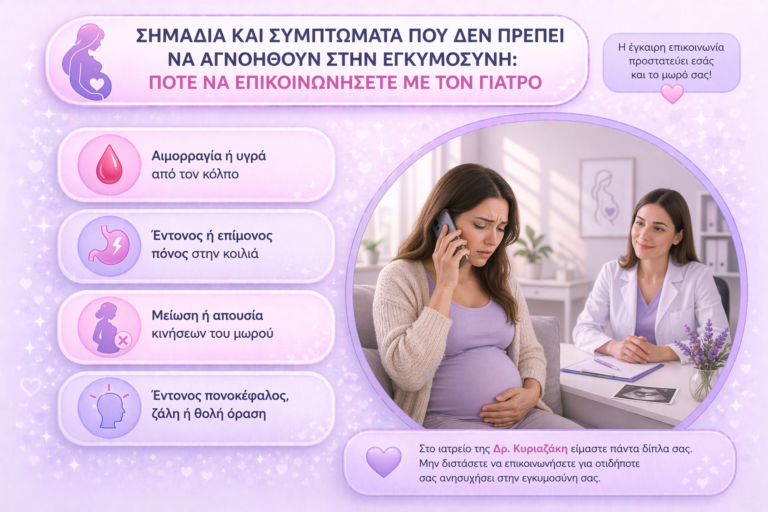
While all of these factors increase the chances of an ectopic pregnancy, it can happen to anyone. Almost 50% of all women who experience an ectopic pregnancy do not have any risk factors. Seek immediate medical attention if you experience any of the following symptoms:
- Irregular vaginal bleeding. If you notice any irregular bleeding, lighter or heavier than usual, call your gynecologist.
- Mild to severe pain in the pelvis, abdomen, lower back, or shoulder. A swollen fallopian tube is uncomfortable, and this discomfort increases as the tube swells in response to the growing fetus. If the fallopian tube ruptures, you will feel a sharp pain, and the pain may be felt in the shoulder due to reflection.
- Dizziness or fainting. Always check with your doctor or go to emergency care if you experience unexplained dizziness or fainting.
It's true that some of the symptoms are rather general in nature and not unusual. However, gynecologists and health professionals would prefer that you call or come in to verify that it's not something to worry about.
Treatment for ectopic pregnancy
The most common treatment for ectopic pregnancy before the fallopian tube ruptures involves medication, which stops the egg from growing and the body absorbs the fertilized egg. As a result, there is no further damage to the fallopian tube other than any damage or scarring that the fertilized egg may have caused. However, if the egg has grown too large and the fallopian tube is severely threatened, or ruptures, the damage is repaired surgically. This often requires removal of the fallopian tube.
Can I get pregnant with one fallopian tube?
For a woman, experiencing an ectopic pregnancy is not easy as it is essentially a miscarriage. If a woman loses one of her fallopian tubes due to an ectopic pregnancy, she may worry that she will have difficulty getting pregnant again. However, the good news is that most women can get pregnant with only one fallopian tube.








 English (UK)
  Ελληνικά