

Infertility is a common problem that affects approximately 10-15% of couples worldwide. In women, infertility can be caused by a variety of factors that affect the ability to conceive or successfully complete a pregnancy. In this article, we will analyze the main causes of infertility in women and the available treatments.
- Polycystic Ovary Syndrome (PCOS)
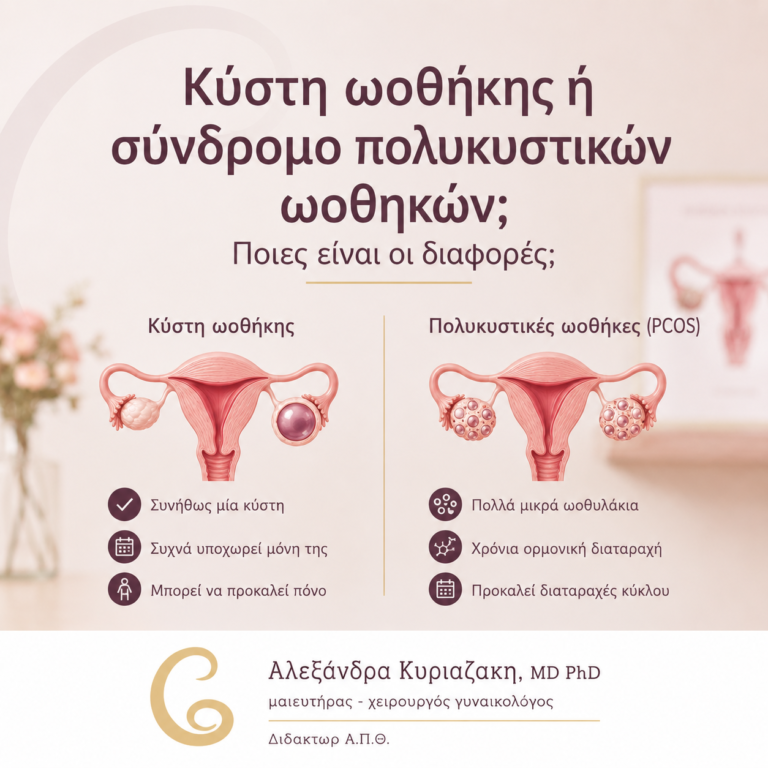
Polycystic ovary syndrome (PCOS) is one of the most common causes of infertility in women. It is characterized by hormonal imbalances that affect ovulation, the process of releasing eggs from the ovaries.
Symptoms:
– Irregular menstrual cycles
– Excessive hair growth
– Weight gain
Treatment: Treatment includes medication to regulate the ovulation cycle, dietary changes, and weight management.
- Endometriosis
Endometriosis is a condition in which tissue that normally grows inside the uterus grows outside of it, affecting the function of the ovaries, fallopian tubes, and uterus.
Symptoms:
– Severe pain during menstruation
– Pain during sexual intercourse
– Infertility
Treatment: Treatment may include medication to control endometriosis and, in more severe cases, laparoscopic surgery to remove the endometriosis lesions.
- Anovulation
Anovulation refers to the condition in which ovulation does not occur, meaning no egg is released from the ovaries during the menstrual cycle. Anovulation can be caused by hormonal disorders, such as PCOS, or other causes such as stress.
Symptoms:
– Irregular menstrual cycle
– Absence of ovulation
Treatment: Anovulation can be treated with hormonal therapy, such as medications that stimulate ovulation.
- Age-Related Infertility
Age is one of the most important factors affecting a woman's fertility. As women age, the quantity and quality of their eggs decline, making it more difficult to conceive.
Symptoms:
Difficulty conceiving: If you have been trying to get pregnant for more than a year without success, especially after age 35, you should consult a doctor.
Treatment: In cases where infertility is age-related, assisted reproductive treatments, such as in vitro fertilization (IVF), may be effective.
- Fallopian Tube Blockages
Fallopian tube blockages can prevent sperm from reaching the egg or the fertilized egg from reaching the uterus. Blockages are usually caused by infections, endometriosis, or previous abdominal surgery.
Symptoms:
– Often asymptomatic
– Infertility
Treatment: Laparoscopy can be used to diagnose and treat fallopian tube blockages. In severe cases, in vitro fertilization may be recommended.
- Premature Ovarian Insufficiency
Premature ovarian failure (also known as premature menopause) refers to the loss of normal ovarian function before the age of 40. This leads to irregular or absent ovulation cycles.
Symptoms:
– Irregular periods
– Hot flashes, night sweats
Treatment: Hormone therapy can help maintain normal ovarian function and, in combination with assisted reproductive treatments, increase the chances of conception.
- Various Hormonal Disorders
Hormonal disorders that affect the balance of reproductive hormones, such as hypothyroidism or hyperthyroidism, can also lead to infertility.
Symptoms:
– Irregular menstrual cycle
– Fatigue, weight fluctuations
Treatment: Hormonal regulation through medication can restore fertility in many cases.
Conclusion
Infertility in women can be caused by many factors, such as hormonal imbalances, anatomical disorders, or conditions such as polycystic ovary syndrome and endometriosis. The diagnosis and treatment of infertility requires collaboration with a qualified gynecologist or reproductive medicine specialist.
If you are having difficulty conceiving, it is important to seek medical help to identify the underlying cause and begin appropriate treatment as soon as possible.








 English (UK)
  Ελληνικά