
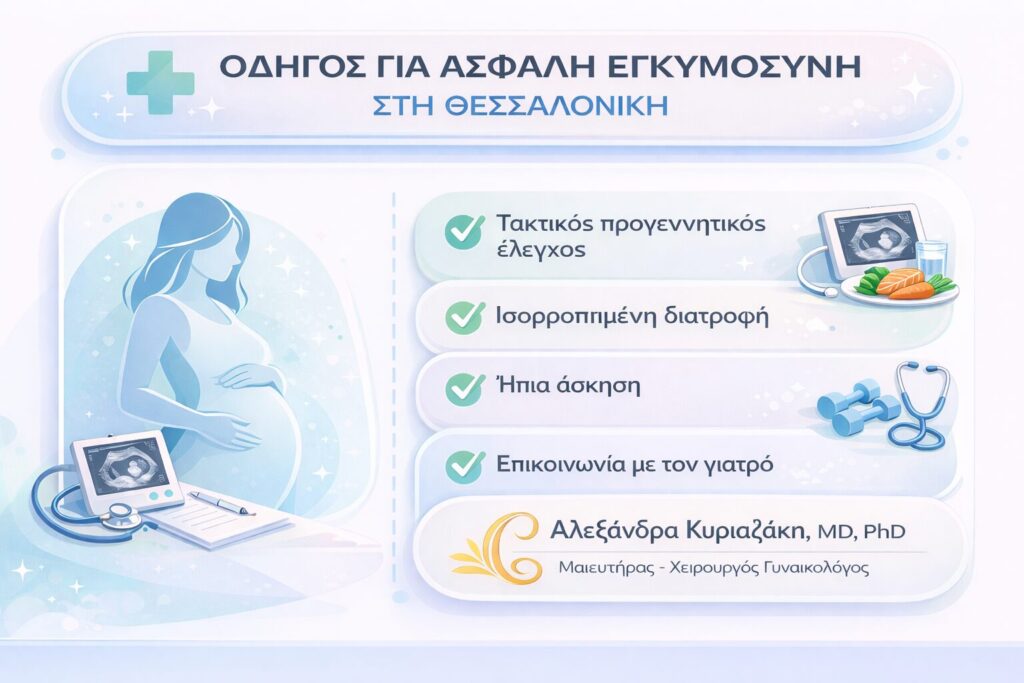
OR Safe pregnancy in Thessaloniki requires proper information and support from a specialized doctor for the smooth course of pregnancy. The aim is to provide clear instructions regarding the necessary examinations, nutrition and preventive actions that ensure the health of the mother and the fetus. The guide includes the main indications and contraindications, monitoring protocols and expected results. Monitoring is carried out exclusively after a medical assessment by a specialist, in accordance with the current Greek legislative framework for pregnancy.
What is safe pregnancy and who needs it?;
OR Safe pregnancy in Thessaloniki constitutes the basis for the health of the mother and the baby before, during and after childbirth. It concerns a pregnancy without serious complications, where the pregnant woman undergoes the necessary medical examinations and receives proper care. Safe pregnancy is not only related to the absence of diseases, but also includes early diagnosis and intervention in potential risks, as well as psychosocial support for the couple throughout the pregnancy. All women of reproductive age who are planning a pregnancy or are already pregnant benefit from adhering to safe pregnancy protocols. Particular attention is needed for women with chronic diseases, pre-existing health problems, or previous miscarriages, as early monitoring identifies potential issues in a timely manner. Pan-Hellenic data show that access to specialized prenatal care significantly reduces pregnancy risks and improves neonatal health. Safe pregnancy is recommended as a standard procedure by authoritative international organizations, such as the World Health Organization and national hospitals. In addition to medical benefits, women enjoy significant emotional support, understanding of the changes in their bodies and clarity about their choices. This comprehensive framework ensures greater security, minimizing stress and surprises throughout the pregnancy.
- Information about risk factors at the first pregnancy appointment
- Investigation of family medical history before planning pregnancy
- Recommendation for prenatal screening in women with chronic diseases
- Assessment of possible psychological needs during pregnancy
- Prompt communication with a specialist doctor in case of any discomfort or symptoms
What are the basic tests for a safe pregnancy in Thessaloniki?;
The basic tests recommended for a safe pregnancy in Thessaloniki contribute to the early diagnosis and monitoring of the health of both the pregnant woman and the fetus. These tests include hematological, ultrasound and special diagnostic methods, depending on the stage of pregnancy. Initially, a complete blood count, blood sugar measurement, and blood group determination are the first steps that are carried out within the first trimester. Ultrasound assessment adds a guarantee to the monitoring embryo development and viability, while special tests such as the Pap test and the test for toxoplasma, cytomegalovirus and rubella infection are necessary. Later, additional tests are recommended, such as the sugar curve and the nuchal translucency test. Some additional tests are performed depending on the medical history, the mother's age, or other risk factors. The availability of modern diagnostic centers and public hospitals in Thessaloniki guarantees access to best practices in prenatal testing for every pregnant woman. The tests are always adapted to the needs of the woman in collaboration with the attending physician, ensuring the health of the mother and fetus. According to the NHS, regular check-ups significantly reduce complications during pregnancy and childbirth.
| Examination | Time of execution | Purpose |
|---|---|---|
| General blood count | First trimester | Assessment of anemia, infections |
| Pregnancy ultrasound | Every quarter | Monitoring fetal development |
| Pap test | First trimester | Cervical lesion screening |
| Sugar curve | Second trimester | Diagnosis of gestational diabetes |
| Neonatal screening | After childbirth | Diagnosis of congenital problems |
How do I prepare for a smooth and safe pregnancy?;
Preparing for a smooth and safe pregnancy begins even before conception, enhancing the chances of a healthy pregnancy and childbirth. A necessary first step is to visit a gynecologist for a preventive health check-up, vaccination and discussion of any previous problems. Quitting harmful habits, such as smoking and alcohol abuse, is recommended from the planning stage, as is taking folic acid supplements at least one month before conception. Equally important is adjusting the diet to include balanced meals with adequate intake of iron, calcium, vitamin D and omega-3 fatty acids. Systematic physical activity with mild exercise, according to a doctor's instructions, contributes to reducing the risk of developing gestational diabetes and hypertension. Also, attention is needed to avoid contact with toxic substances and raw foods that may increase the risk of infections. Psychological preparation and education about the pregnancy and childbirth processes help reduce stress, while participation in the social network (family, friends) offers valuable emotional support. Information about childbirth, newborn care and local services in Thessaloniki allows for better organization and quick response to potential issues.
- Starting folic acid before conception to prevent neural tube defects
- Scheduling prenatal check-ups before pregnancy or as soon as it is confirmed
- Stop smoking, alcohol use and dangerous drugs
- Balanced diet with emphasis on vitamins and minerals
- Limit consumption of caffeine, fast food and unpasteurized dairy products
What monitoring protocols are followed during pregnancy?;
During a safe pregnancy in Thessaloniki, pre-defined monitoring protocols are implemented with regular visits to a specialized doctor and scheduled tests. Women are examined every four weeks until the 28th week, every two weeks until the 36th, and then every week until delivery. The visits include blood pressure checks, weight measurement, fetal heart function monitoring, and symptom assessment. At the same time, specialized diagnostic tools are applied, such as ultrasounds, vascular triplex, and screening for gestational diabetes mellitus or preeclampsia where indicated. Following a risk assessment, genetic tests or special tests for rare infectious diseases may be added. Proper adherence to monitoring programs is based on modern guidelines, ensuring timely intervention where necessary. The protocols are adapted according to the profile of each pregnant woman: history of miscarriages, chronic diseases, maternal age, or indications during pregnancy. Consistent documentation of all diagnostics in innovative digital health systems in Thessaloniki enhances the sense of trust and allows for effective care coordination by the medical team.
- Keeping a schedule of medical appointments every 4–2–1 weeks
- Scheduled ultrasounds for fetal and blood flow monitoring
- Blood pressure and weight check at every visit
- Recommendation for sugar screening in the second trimester
- Informing pregnant women about warning symptoms between visits
Is nutrition critical for a safe pregnancy? What should I pay attention to?;
Nutrition plays a crucial role in achieving a safe pregnancy for both the mother and the developing fetus. The intake of sufficient energy, protein, iron and folic acid ensures the biological mechanisms of the baby's development and helps prevent common complications, such as anemia and premature birth. Doctors recommend consuming a variety of fruits, vegetables, whole grains, fish and dairy products, but adjusting daily needs according to the stage of pregnancy. It is also emphasized to avoid potentially dangerous foods – raw or undercooked animal products, unpasteurized dairy products, cold cuts and fish with a high mercury content. Particular attention is needed to proper food hygiene, in order to reduce the risk of serious infections, such as listeriosis and toxoplasmosis. Some professionals recommend enriching meals with vitamins C, D and calcium, always in consultation with the treating physician. According to CDC and the Greek dietary guidelines, pregnant women should avoid alcohol, limit caffeine intake, and lift heavy weights. Following these dietary practices enhances the chances of a healthy pregnancy, minimizes placental insufficiency, and prevents conditions that could disrupt the safety of pregnancy.
- Washing fruits and vegetables before consumption to prevent contamination
- Preference for boiled, well-cooked foods over raw/undercooked foods
- Daily intake of supplements only with medical consent
- Limiting salt, sugar and trans fats in the diet
- Avoiding alcohol and energy drinks during pregnancy
When should I seek medical advice during pregnancy?;
Seeking medical advice early is a cornerstone of a safe pregnancy in Thessaloniki. Any unusual, worrying or persistent symptom during pregnancy should be evaluated immediately by a qualified doctor. Signs such as severe abdominal pain, bleeding, sudden swelling of the legs, blurred vision or fever require immediate communication with the doctor. Even milder symptoms, such as persistent nausea, sudden weight gain or intense fatigue, can be signs of an underlying pathology and should not be ignored. Awareness of “red flags” especially in women with risk factors such as diabetes, hypertension or previous complications, should be ongoing. Pregnant women are also encouraged to ask their doctor about any change in fetal movement. Communication with the doctor should be done without hesitation, not only in emergencies but also for clarifications regarding medications, breastfeeding advice or questions about postpartum care. Thessaloniki's clinics and health providers also offer telephone advice lines, strengthening the support of women throughout pregnancy.
- Severe abdominal pain or heavy bleeding require immediate evaluation.
- Persistent dizziness, fainting or tachycardia should be reported to the doctor.
- Severe swelling in the extremities or face may be associated with preeclampsia
- A sudden decrease in fetal movement requires immediate attention.
- High fever or symptoms of infection require urgent advice
What risks and contraindications should be considered?;
Safe pregnancy in Thessaloniki requires continuous assessment of risks and contraindications to prevent serious complications. The most important risk factors include pre-existing diseases such as diabetes, hypertension, cardiovascular disease and severe obesity or autoimmune diseases. If the woman is over 35 years old, has a history of miscarriages or complications in previous pregnancies or if genetic factors are present, even closer medical monitoring is required. Contraindications include medications or treatments that are proven to cause teratogenesis, intense psychosocial stresses or unsafe environmental conditions (hazardous materials, toxic exposures). Abrupt changes in the mother's physical condition, such as high fluid retention or preeclampsia, trigger emergency medical assessment procedures. Ignorance or neglect of potential risks often leads to irreversible complications for the mother or fetus. Awareness of risk factors, continuous education on proper self-monitoring, and mobilization of help from family and health professionals contribute to the timely recognition and treatment of problems. Communication with a specialized gynecologist with any serious or not symptom remains crucial, immediately ensuring the safety of the pregnant woman and fetus.
- Gestational diabetes requires specialized nutrition & monitoring
- Hypertension increases the risk of preeclampsia and premature birth
- Over-the-counter medications may harm the fetus
- Presence of infection poses risks to the fetus
- Maternal age & genetic reasons increase complications
Case study: A pregnant woman with a history of hypertension and diabetes experienced preeclampsia, but with regular monitoring she was treated promptly without serious complications.
What is the legal and medical monitoring of pregnancy in Greece?;
Medical and legal monitoring of pregnancy in Greece is ensured through an institutional framework that focuses on protecting the health of the pregnant woman and the fetus. Greek legislation defines specific procedures for prenatal testing, the rights of the pregnant woman, and the responsibilities of medical personnel. The health system offers access to free basic examinations through public structures and/or insurance funds. The established monitoring protocols are harmonized with European guidelines and are adhered to by all certified public and private obstetric units. Women are entitled to information about the risks, examinations and possible treatment options, while they are protected from discrimination or coercive intervention. The statutory rights also cover the maintenance of medical confidentiality and the protection of personal data during pregnancy. Compliance with regulatory provisions and the faithful application of the medical protocol guarantee not only a safe pregnancy, but also the proper management of difficult cases, according to the Ministry of Health. This ensures optimal care throughout the entire pregnancy spectrum, with the possibility of medical intervention based on documented principles.
- Information on mandatory adherence to protocols & medical confidentiality
- Right of access to public centers and prenatal services
- Free basic exams available through public funds
- Protection from discrimination or coercion in the context of pregnancy
- Informing the pregnant woman about all results and options
| Legal Rights of a Pregnant Woman | Summary |
|---|---|
| Medical confidentiality | Complete protection of sensitive personal data |
| Free exams | Coverage of basic diagnostics through EOPYY |
| Information and consent | The pregnant woman is informed and consents before any procedures are performed. |
| Timely monitoring | Maintaining a standardized prenatal check-up schedule |
| Protection from discrimination | Preventing exclusion or coercive intervention |
FAQs: Legal framework & procedures
- What basic tests are covered free of charge during pregnancy?;
- What applies to the protection of medical data during pregnancy?;
- Can a pregnant woman freely choose her treating doctor in Thessaloniki?;
Data at a glance: In Greece, 991% of pregnancies are covered for prenatal care by insurance funds.
Conclusion & next steps
Pregnancy in a city like Thessaloniki offers many support options, as long as the basic recommendations and medical protocols are followed. Continuous monitoring by a specialist and cooperation with the medical team contribute decisively to a smooth experience. If unusual symptoms such as severe pain or bleeding occur, contact your doctor immediately for evaluation. At every step, the safety of the mother and fetus remains the priority, always following the specialist's instructions and the applicable legal framework.
- Discuss your follow-up plan with your gynecologist.
- Follow a balanced diet as recommended by the specialist.
- Report any new or worrying symptoms immediately.
Pregnancy is a period that deserves to be experienced with confidence, calmness and proper guidance. At the gynecological clinic of Dr. Kyriazaki, with many years of experience in monitoring pregnancies and an emphasis on personalized care, every expectant mother receives comprehensive medical support at every stage, from the first positive test to childbirth. Book your appointment today to design the right monitoring plan together and ensure the safest and smoothest path for you and your baby.


 English (UK)
  Ελληνικά