
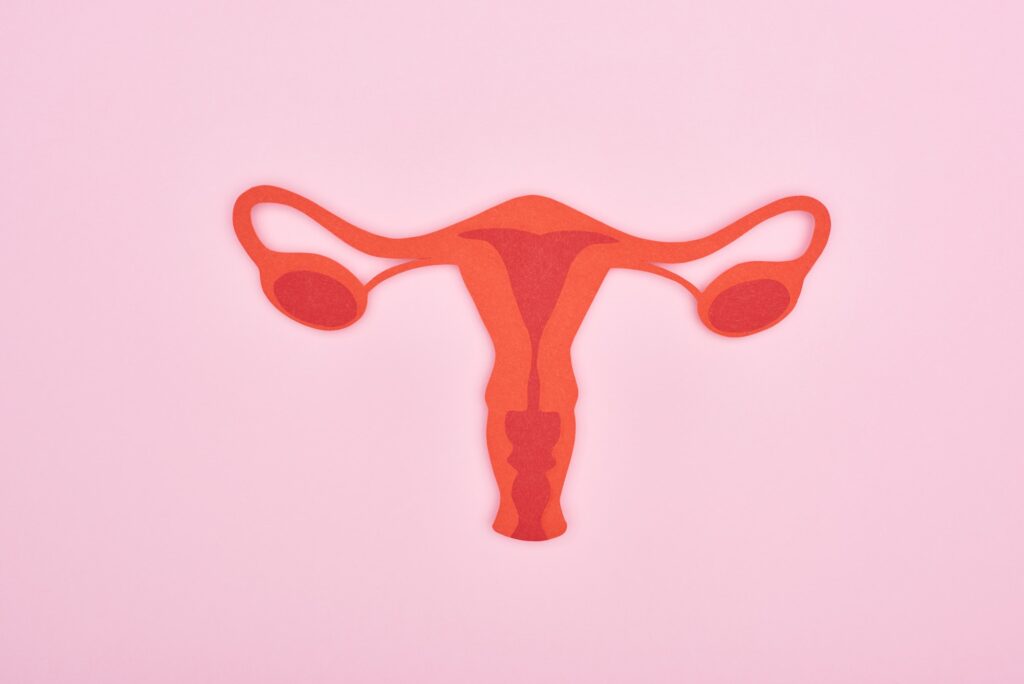
Pelvic organ prolapse occurs when a general weakening of the pelvic muscles and/or connective tissues in the pelvic area causes the organs to shift or fall out of position – putting pressure on the vaginal area. This loosening – or prolapse – ranges from very mild to very severe. Most often it is the result of pregnancy and a laboring birth, although it can also occur in women who have not given birth. Some women are more prone to developing pelvic organ prolapse than others. Factors that increase the chances include:
- Vaginal delivery
- Advanced age
- Obesity
- Chronic cough or constipation
- Family history of pelvic organ prolapse
- Pelvic surgery
- Regular weight lifting
There are different types of prolapse:
→ Cystocele and urethrocele. The former (cystocele) is diagnosed when the bladder protrudes into the anterior wall of the vagina. If the protrusion is caused by the urethra and not the bladder, it is called a urethrocele.
→ Rectocele. In this type of prolapse, the rectum prolapses into the posterior vaginal wall and usually causes difficulty in defecation.
→ Uterine prolapse. Sometimes, the uterus itself prolapses into the floor of the vagina. It can be mild, involving only the cervix, or it can be more severe, where the uterus can be felt or prolapses through the vaginal opening.
→ Vaginal vault prolapse. After hysterectomy, women may experience what is called vaginal vault prolapse, where the bottom of the vaginal vault prolapses into the lower part of the vagina.
Symptoms of pelvic organ prolapse
In mild cases, symptoms may include things like:
- Heaviness or a feeling of pressure in the pelvic area
- Pain or pressure in the back
- Leg fatigue
- Incontinence
- Constipation or difficulty in bowel movements
- Discomfort or pain during penetration
If you experience any of the above symptoms, schedule an exam with your gynecologist. A regular pelvic exam is the only way to confirm whether you have pelvic organ prolapse. While there are surgical procedures for pelvic organ prolapse – it is rarely your only option. Your gynecologist, after making a diagnosis, can guide you on the treatment that is appropriate for your case. Don't let the symptoms of pelvic organ prolapse cause you discomfort. Contact our office to schedule an examination. We will work with you to find the most natural and simple means to restore pelvic health.
















 English (UK)
  Ελληνικά