
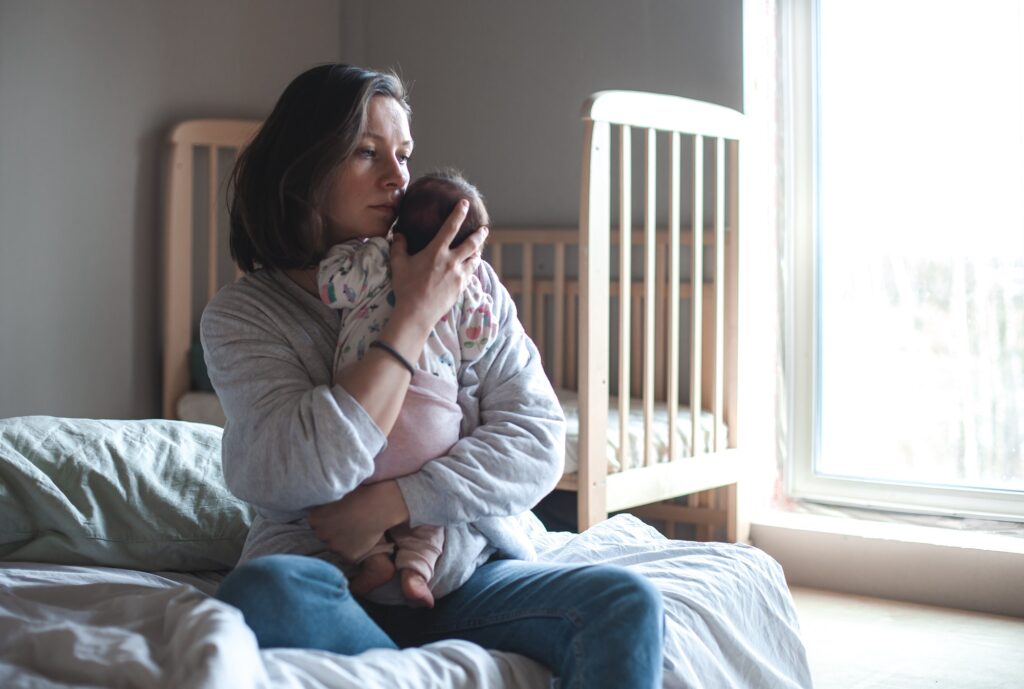
Postpartum depression is a type of depression that many parents experience after having a baby. It is a common problem, affecting more than 1 in 10 women within a year of giving birth. It can also affect fathers and partners. It is important to seek help as soon as possible if you think you may have postpartum depression, as symptoms can last for months or get worse and have a significant impact on you, your baby and your family. With the right support, most people make a full recovery.
Depression during pregnancy
Depression in pregnancy (antenatal depression) is also common. About 1 in 8 women will experience depression during their pregnancy. Other mental health symptoms that can occur during or after pregnancy include anxiety, panic attacks, and psychosis.
Symptoms of postpartum depression
Many women feel a little down, sad or anxious in the first week after giving birth. This is quite common and considered normal. However, it does not last longer than 2 weeks after giving birth. If your symptoms last longer or start later, you may have postpartum depression. Postpartum depression can start at any time in the first year after giving birth.
Signs that you or someone you know may have depression include:
- a persistent feeling of sadness and low mood
- lack of enjoyment and loss of interest
- lack of energy and feeling tired all the time
- difficulty sleeping at night and feeling sleepy during the day
- difficulty bonding emotionally with your baby
- withdrawal from contact with other people
- concentration and decision-making problems
Many women don't realize they have postpartum depression, because it can develop gradually.
Remember that:
⇒ a range of measures and support is available, including treatment
⇒ depression is an illness like any other
⇒ it's not your fault that you have depression – it can happen to anyone
⇒ Having depression doesn't mean you're a bad parent
⇒ it doesn't mean you're crazy
⇒ your baby will not be taken away from you – babies are only taken away in exceptional cases
Treatments for postpartum depression
Postpartum depression can be lonely, painful, and scary, but there is support and effective treatments.
These include:
# self-help – things you can try on your own include talking to family and friends about your feelings and what they can do to help, taking time for yourself to do things you enjoy, resting whenever you get the chance, getting as much sleep as you can at night, exercising regularly, and eating a healthy diet
# psychotherapy – a doctor may be able to recommend a self-help course or may refer you to a psychotherapist to begin treatment
# antidepressants – these may be recommended if your depression is more severe or other treatments have not helped – your doctor may prescribe a medication that is safe to take while you are breastfeeding
Causes of postpartum depression
The cause of postpartum depression is not entirely clear. There are many factors that may increase your chances of developing postpartum depression. These include:
- a history of mental health problems - particularly depression - earlier in life
- history of mental health problems during pregnancy
- lack of family or friends to support you
- a difficult relationship with a partner
- recent stressful life events – such as a bereavement
- physical or psychological trauma, such as domestic violence
Even if you don't have any of these, having a baby is a life-changing event and can sometimes cause depression. It often takes time to adjust to becoming a new parent. Caring for a baby can be stressful and tiring.
Prevention of postpartum depression
There are things you can do to stay well, such as maintaining a healthy lifestyle and having someone you can talk to and turn to for support. Going to prenatal classes and developing relationships with other pregnant women or new parents can also be helpful.
If you are pregnant or thinking about getting pregnant, talk to a doctor or mental health team if you have a history of depression or mental health problems, or if someone in your family has had mental health problems after giving birth (for example, your mother or sister). This is so that they can offer you appropriate treatment. You can also talk to a midwife, who can support you or refer you to specialist mental health services if needed. If you had a mental health problem during pregnancy, your doctor can arrange for you to be seen regularly in the first few weeks after giving birth.
Myths about postpartum depression
Postpartum depression is often misunderstood and unfortunately there are many myths around it. Here are some of the most common.
⊗ Postpartum depression is less severe than other types of depression – in fact, it is as severe as other types of depression.
⊗ Postpartum depression is caused entirely by hormonal changes – in fact, it is caused by many different factors.
⊗ Postpartum depression will pass soon. Unlike “the blues,” postpartum depression can persist for months if left untreated and in a minority of cases can become a long-term problem.
⊗ Postpartum depression only affects women – research has found that up to 1 in 10 new fathers experience depression after having a baby.
These factors apply equally to prenatal depression.
Postpartum depression is a type of depression that many parents experience after having a baby. It is a common problem, affecting more than 1 in 10 women within a year of giving birth. It can also affect fathers and partners. It is important to seek help as soon as possible if you think you may have postpartum depression, as symptoms can last for months or get worse and have a significant impact on you, your baby and your family. With the right support, most people make a full recovery.
Depression during pregnancy
Depression in pregnancy (antenatal depression) is also common. About 1 in 8 women will experience depression during their pregnancy. Other mental health symptoms that can occur during or after pregnancy include anxiety, panic attacks, and psychosis.
Symptoms of postpartum depression
Many women feel a little down, sad or anxious in the first week after giving birth. This is quite common and considered normal. However, it does not last longer than 2 weeks after giving birth. If your symptoms last longer or start later, you may have postpartum depression. Postpartum depression can start at any time in the first year after giving birth.
Signs that you or someone you know may have depression include:
- a persistent feeling of sadness and low mood
- lack of enjoyment and loss of interest
- lack of energy and feeling tired all the time
- difficulty sleeping at night and feeling sleepy during the day
- difficulty bonding emotionally with your baby
- withdrawal from contact with other people
- concentration and decision-making problems
Many women don't realize they have postpartum depression, because it can develop gradually.
Remember that:
⇒ a range of help and support is available, including therapy
⇒ depression is an illness like any other
⇒ it's not your fault that you have depression – it can happen to anyone
⇒ Having depression doesn't mean you're a bad parent
⇒ it doesn't mean you're crazy
⇒ your baby will not be taken away from you – babies are only taken away in exceptional cases
Treatments for postpartum depression
Postpartum depression can be lonely, painful, and scary, but there is support and effective treatments.
These include:
# self-help – things you can try on your own include talking to family and friends about your feelings and what they can do to help, taking time for yourself to do things you enjoy, resting whenever you get the chance, getting as much sleep as you can at night, exercising regularly, and eating a healthy diet
# psychotherapy – a doctor may be able to recommend a self-help course or may refer you to a psychotherapist to begin treatment
# antidepressants – these may be recommended if your depression is more severe or other treatments have not helped – your doctor may prescribe a medication that is safe to take while you are breastfeeding
Causes of postpartum depression
The cause of postpartum depression is not entirely clear. There are many factors that may increase your chances of developing postpartum depression. These include:
- a history of mental health problems - particularly depression - earlier in life
- history of mental health problems during pregnancy
- lack of family or friends to support you
- a difficult relationship with a partner
- recent stressful life events – such as a bereavement
- physical or psychological trauma, such as domestic violence
Even if you don't have any of these, having a baby is a life-changing event and can sometimes cause depression. It often takes time to adjust to becoming a new parent. Caring for a small baby can be stressful and tiring.
Prevention of postpartum depression
There are things you can do to stay well, such as maintaining a healthy lifestyle and having someone you can talk to and turn to for support. Going to prenatal classes and developing relationships with other pregnant women or new parents can also be helpful.
If you are pregnant or thinking about getting pregnant, talk to a doctor or mental health team if you have a history of depression or mental health problems, or if someone in your family has had mental health problems after giving birth (for example, your mother or sister). This is so that they can offer you appropriate treatment. You can also talk to a midwife, who can support you or refer you to specialist mental health services if needed. If you had a mental health problem during pregnancy, your doctor can arrange for you to be seen regularly in the first few weeks after giving birth.
Myths about postpartum depression
Postpartum depression is often misunderstood and unfortunately there are many myths surrounding it. Here are some of the most common ones.
⊗ Postpartum depression is less severe than other types of depression – in fact, it is as severe as other types of depression.
⊗ Postpartum depression is caused entirely by hormonal changes – in fact, it is caused by many different factors.
⊗ Postpartum depression will soon pass – unlike the “blues”, postpartum depression can persist for months if left untreated and in a minority of cases can become a long-term problem.
⊗ Postpartum depression only affects women – research has found that up to 1 in 10 new fathers experience depression after having a baby.
These factors apply equally to prenatal depression.







 English (UK)
  Ελληνικά