
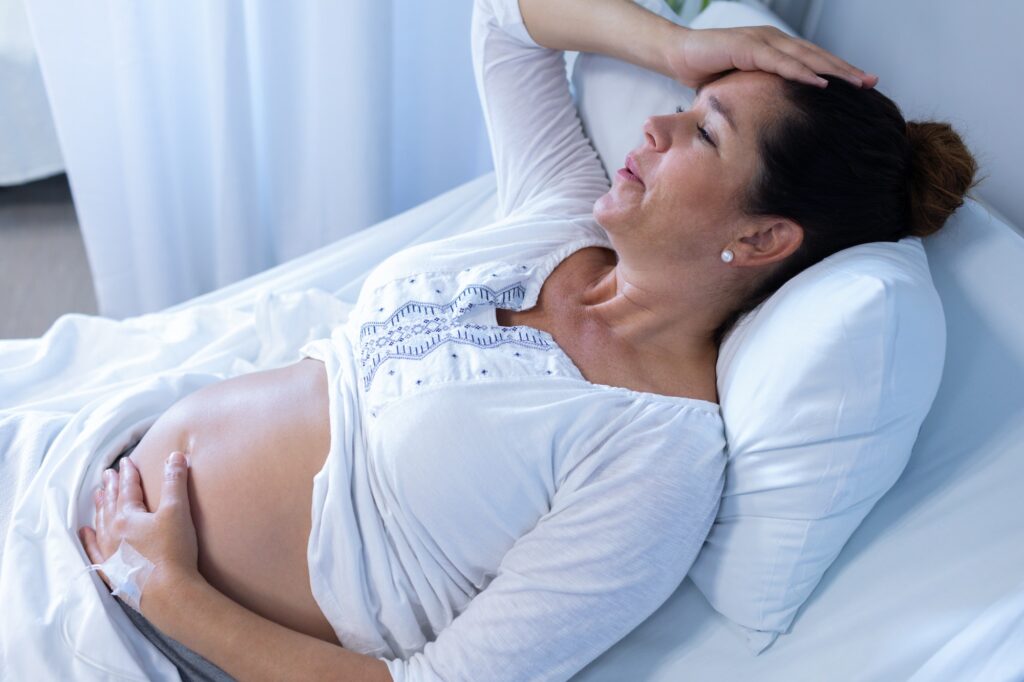
The percentage of pregnant women who develop preeclampsia is only 51%, but it is still a very serious diagnosis that puts both mother and baby at risk. Preeclampsia usually occurs after the 20th week of pregnancy and symptoms include:
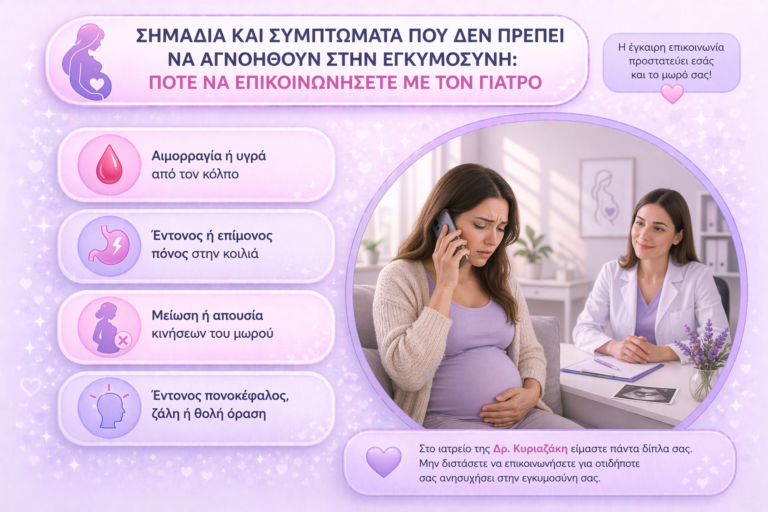
- Severe headache
- Nausea & vomiting
- Severe swelling in the extremities and face
- Vision changes
- Difficulty breathing
- Feeling anxious
- Sudden weight gain beyond normal
Preeclampsia also includes high levels of protein in the urine, high blood pressure, and hyperreflexia (the kneecap reflex is heightened). If the condition goes undiagnosed and a woman progresses to eclampsia (also called toxemia), it can cause seizures, convulsions, and coma – and is the leading cause of maternal and fetal mortality worldwide. It is, therefore, very important to know the risk factors so that you know if you are at risk and to pay the necessary attention to the symptoms mentioned above.
This is your first pregnancy.
In general, preeclampsia occurs more often in the first pregnancy.
You have had preeclampsia in the past
If you had preeclampsia in a previous pregnancy, your gynecologist will be on the lookout. While the majority of preeclampsia occurs in first-time pregnancies, women who have had preeclampsia in the past are more likely to have it again in subsequent pregnancies.
Obesity
Obese women are also more likely to have preeclampsia. This is one reason why there are different guidelines for pregnancy weight gain for women whose BMI places them in the overweight or obese categories.
Heredity
Women whose mothers had preeclampsia are at higher risk. According to the World Health Organization, 20% to 40% of women whose mothers had preeclampsia will also have it.
Age over 40 years
Women 40 and older are more prone to preeclampsia, one of the reasons why «advanced maternal age» automatically places you in the high-risk pregnancy category.
Multiple pregnancy
Similarly, being pregnant with twins (triplets, etc.) also increases the risk of preeclampsia.
Certain pre-existing medical conditions can also increase the chances of developing preeclampsia.
These include:
- History of migraines
- Rheumatoid arthritis
- Diabetes
- PCOS (polycystic ovary syndrome)
- Scleroderma
- Lupus Erythematosus
- Sickle cell anemia
- Gestational diabetes
- Urinary tract infections
In closing, it's important to reiterate that preeclampsia is a rare condition, so there's no need to panic. However, it's also important to be aware of both the risk factors and symptoms so that you can alert your gynecologist at the first sign that something might be wrong. If you feel you're at high risk for preeclampsia, work with a gynecologist who has experience monitoring and caring for women with high-risk pregnancies.








 English (UK)
  Ελληνικά