

Early recognition of gynecological symptoms and seeking medical attention can help prevent and treat serious health problems. Below are the most common gynecological symptoms that should not be ignored.
Unusual Bleeding
– Bleeding between periods: It can be a sign of hormonal imbalances, fibroids, or even more serious conditions like endometrial cancer.
– Heavy menstruation: If your period lasts a long time or is very heavy, it may indicate endometriosis, fibroids, or other conditions.
Pelvic Pain
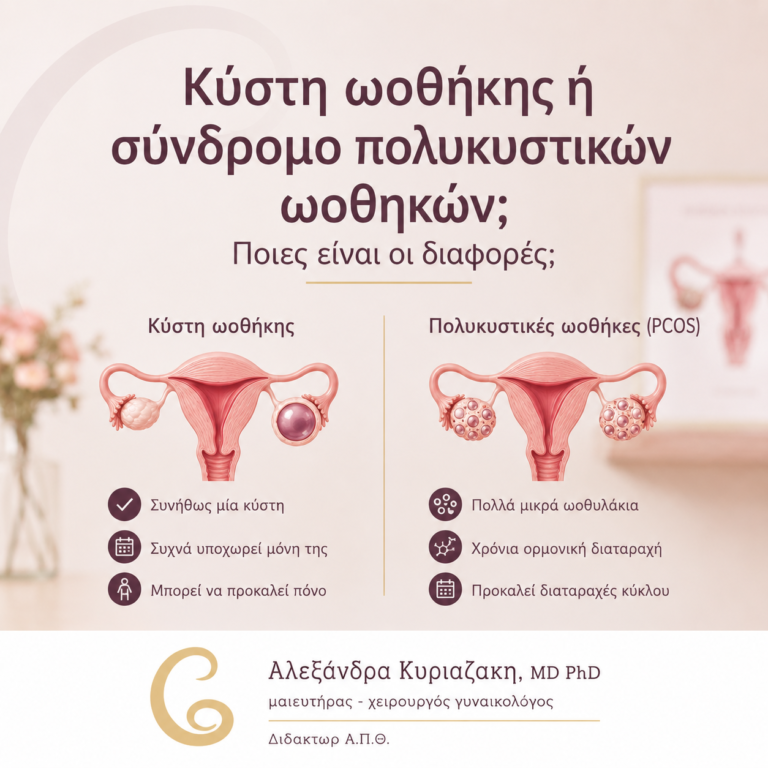
– Persistent or sharp pain: If the pain is persistent or increasing, it may indicate pelvic inflammatory disease, endometriosis, or ovarian cysts.
– Pain during sexual intercourse: It can be associated with problems such as vaginal dryness, infection, or endometriosis.
Changes in Vaginal Discharge
– Bad odor, strange color, or change in quantity: These changes may be a sign of infections such as bacterial vaginosis, yeast infection, or sexually transmitted diseases.
Burning or Itching
– Constant itching or burning: Often indicates infections or allergic reactions to hygiene products.
Irregular Period Cycle
– Frequent or irregular periods: They may be associated with polycystic ovaries (PCOS), hormonal disorders, or other gynecological conditions.
Bloating and Feeling of Fullness
– Persistent bloating: It can be a symptom of more serious conditions, such as ovarian cysts or ovarian cancer.
Symptoms Related to Menopause
– Intense hot flashes, night sweats: These can affect quality of life and require hormone therapy or other medical interventions.
Conclusion
Gynecological symptoms that affect your daily life or persist for a long time should not be ignored. Early diagnosis and proper treatment can make a difference in your health.













 English (UK)
  Ελληνικά