

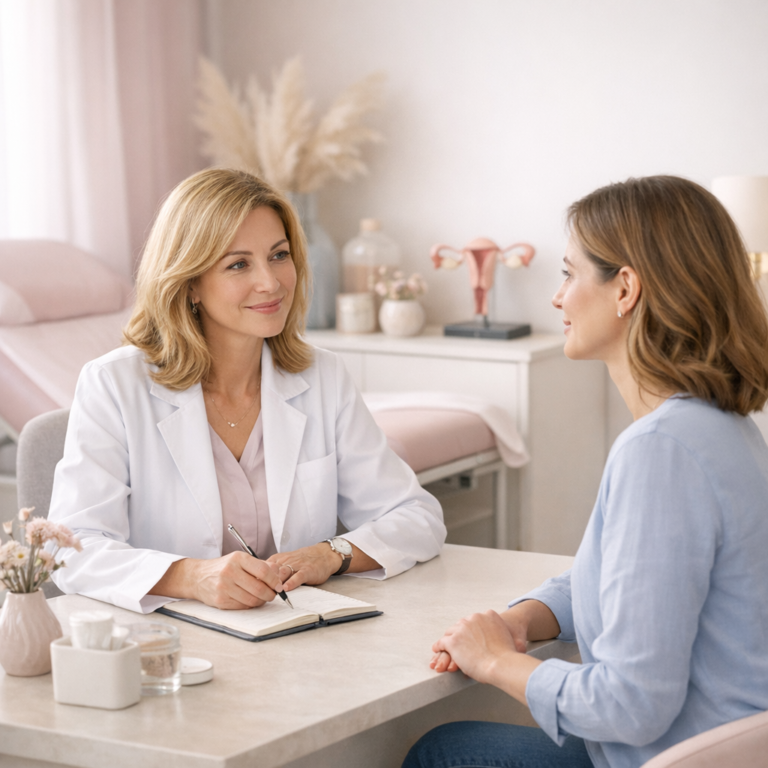
Sex is supposed to be fun, intimate, exciting, and – most of all – pleasurable. When sex hurts, it’s impossible to have a healthy sex life or embrace that part of yourself. Painful or uncomfortable sex disrupts libido, contributes to anxiety and feelings of inadequacy, and affects a couple’s intimacy. The good news is that there are almost always solutions to painful or uncomfortable sex. The key is to be open and honest with your gynecologist so they can identify the cause and recommend ways to deal with it.
Some of the ways in which sex is uncomfortable or painful include:
- Pain during penetration (this may include using tampons)
- Pain when pushing
- Burning pain
- Pain or discomfort that persists after sex, sometimes hours later
Reasons why sex is painful
Here are some of the most common reasons why sex is painful.
Latent infection
If you have pelvic inflammatory disease, urinary tract infections, STDs, or other underlying issues like a bacterial yeast infection, it can irritate the vaginal tissues, including the labia and clitoris. Itching and burning make the problem worse. Getting rid of any potential infections or inflammation is a step in the right direction and prevents you from passing anything on to your partner. Even yeast infections can be transmitted, although men tend to be more asymptomatic than women.
Lack of lubrication
Every vagina is different and, while they are designed to be self-lubricating, lubrication levels may change over time. Lubrication is essential condition for pleasure, as excessive friction can cause discomfort. You may not have lubrication:
- Due to lack of preliminaries
- At certain times of the month, due to hormone fluctuations
- As a result of hormonal imbalance
- Due to perimenopause or menopause
- You just had a baby or are still breastfeeding
- Medication side effects (any medications that cause dry mouth or affect mucous membranes may inhibit lubrication or negatively affect libido)
- Stress, depression, lack of libido – all can reduce natural lubrication
If you feel like your lubrication levels are lower than usual, see if any of these could be the cause. Over-the-counter products are there to help.
Certain conditions or diseases
Any condition or illness that affects your body can affect the way you experience sex. This is especially true if the condition already affects your pelvis, abdomen, or reproductive organs. In addition to the infections we've already mentioned, some of the issues that are more likely to cause sexual discomfort or pain include:
- Endometriosis
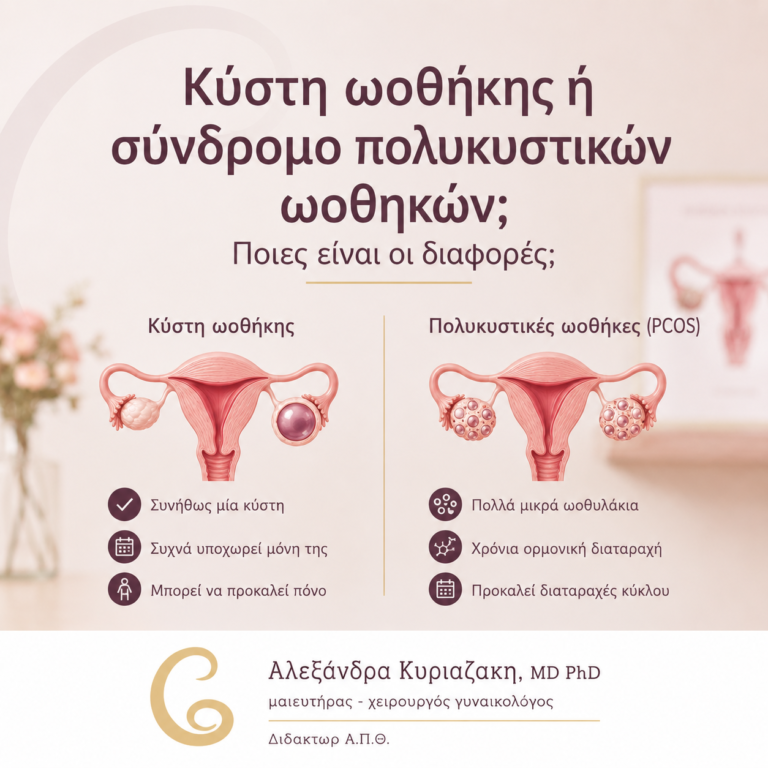
- Polycystic Ovary Syndrome (PCOS)
- Pelvic surgery or trauma
- Cystitis
- Uterine fibroids
- Autoimmune disorders that increase inflammation
- Irritable bowel syndrome
Anatomy
There are also a number of anatomical reasons that can cause pain or discomfort during sexual intercourse. For example:
- Shorter or smaller vagina
- Pelvic organ prolapse or retroverted uterus
- Scars
- Muscle spasms that tighten the entrance or canal of the vagina
- Skin disorders
Have you experienced sexual trauma in the past?
Women who have been sexually abused, raped, or otherwise sexually traumatized may find sex extremely uncomfortable to painful. This is a psychological response, not a physical one in most cases. However, even in the most comfortable and trusting environments and with a partner who makes you feel safe, the very act of physical contact or sexual intercourse can cause involuntary muscle contractions and responses that reduce lubrication. A recent study published in BMC Women's Health found that women who experienced sexual trauma were significantly more likely to have a decreased libido, avoid sex altogether, or experience painful or uncomfortable sexual intercourse. If you've experienced sexual trauma, discuss it with your gynecologist, who can refer you to a therapist who specializes in sexual abuse.
While many of the most common reasons why sex is painful can be eliminated or supported, others may require further education on different approaches or positions that minimize discomfort. Either way, a visit to the gynecologist and an open conversation are essential to paving a more positive and enjoyable path forward.












 English (UK)
  Ελληνικά