

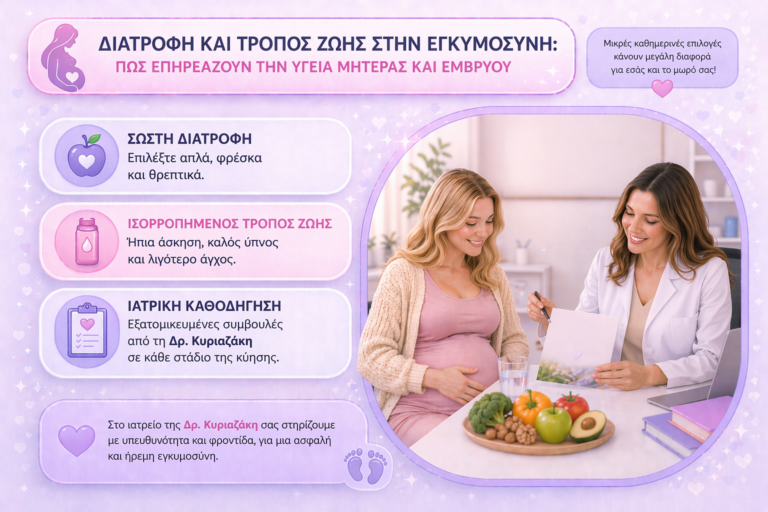
During pregnancy, a woman's body requires special attention when it comes to food intake, which is why gynecologists focus particularly on vitamin/mineral needs to support the baby. Calcium is a top priority. Did you know that your body can break down its own calcium stores to provide your growing baby with what it needs? If you don't get enough calcium, either through diet or pregnancy supplements, this can leave you with reduced bone mass, calcium depletion and put you at higher risk of osteoporosis later in life.
Calcium intake is especially important during the third trimester.
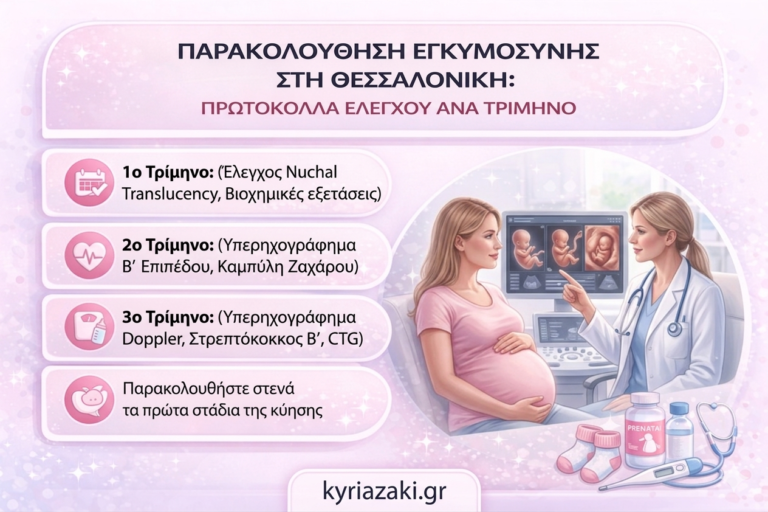
Certain nutrients, like folic acid, are a focus of the first trimester of pregnancy because they facilitate brain and neurological development. While calcium is always an essential mineral, your body (and your baby) needs it most during the second and third trimesters because baby's bones are growing rapidly during this stage.
Excessive calcium intake is not healthy
Pay attention to your gynecologist's instructions for calcium intake during pregnancy, which is usually around 1000 – 1200 mg/day. If you take more than this, you risk developing kidney stones, which are particularly painful. Also, too much calcium prevents your body from absorbing zinc and iron. If you are pregnant, avoid taking more than 2500 mg/day.
Easy ways to ensure your diet has calcium-rich foods
Your body does best when it absorbs vitamins and nutrients through the foods you eat, with prenatal vitamins serving as a “backup plan.” So the surest way to make sure you’re getting enough calcium in your diet is to create a menu that includes some foods on a regular basis. By eating yogurt, for example, in addition to a nice dose of calcium, you’ll also benefit from healthy probiotics. Yogurt will also help keep your vaginal flora in check, minimizing potential episodes of yeast and/or bacterial infections. Most leafy and cruciferous vegetables (kale, broccoli, Swiss chard) are high in calcium. In fact, they also have more calcium than dairy products.
Additional benefits of calcium
There are a few more reasons why consuming adequate amounts of calcium before, during, and after pregnancy is good for you.
→ It can help you lose pregnancy weight: Studies from the University of Tennessee have shown that women who eat more low-fat dairy products tend to produce and store less fat. So keeping these additions to your diet after your baby is born could help you lose the extra weight more easily.
→ Reduces or eliminates the symptoms of PMS (premenstrual syndrome). Another study conducted by the National Institute of Mental Health found that women taking an average of 1200 mg of calcium per day reported a 50% reduction in their PMS symptoms.
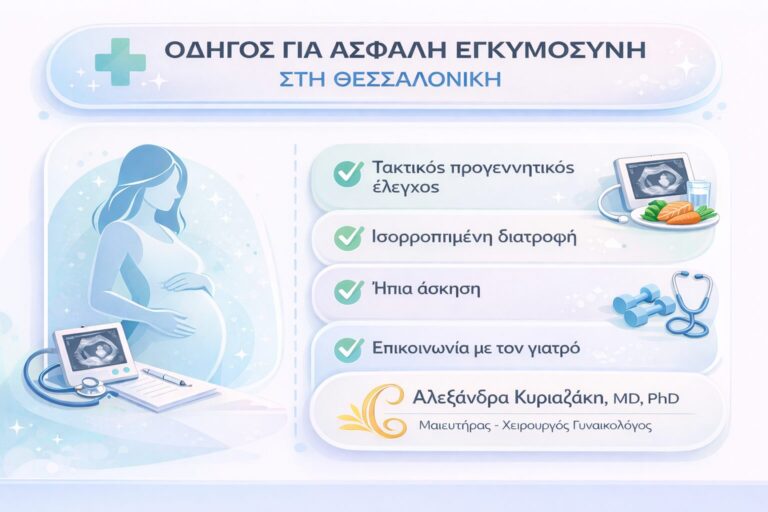
Working with an experienced gynecologist and being consistent with their instructions is the best way to ensure that you are doing exactly what you need to do to prioritize your health during pregnancy.








 English (UK)
  Ελληνικά