
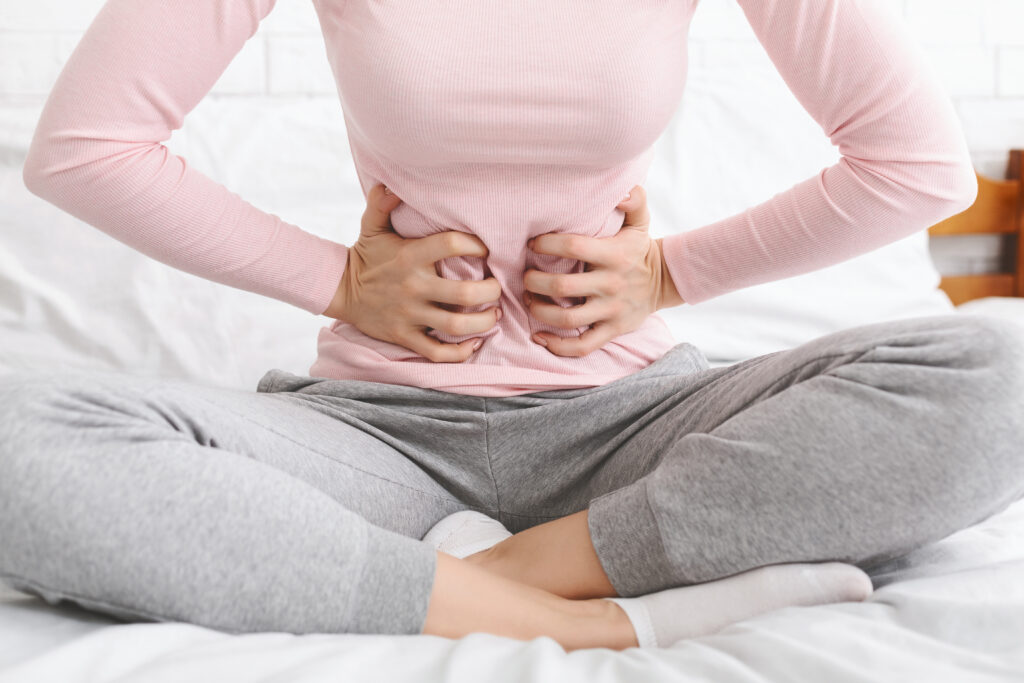
Endometriosis is a disease caused by the ectopic growth of endometrial tissue outside the uterus. Endometrial tissue lines the uterine cavity and when it grows outside of it, it can cause a number of problems. Although endometriosis is most commonly found in the lower abdomen, it can rarely occur elsewhere in the body. The cause her endometriosis The exact cause of endometriosis is unknown, although many factors have been linked to it. One of the most widely held theories is that menstruation plays a role in the development of endometriosis. The process is referred to as retrograde menstruation and occurs when blood, along with the lining of the uterus, flows into the abdominal cavity. Many women have some degree of retrograde menstruation, but only a small percentage develop endometriosis. There may be an association with immune systemIn addition, endometriosis has a genetic association and you are more likely to develop the condition if women in your family have endometriosis, Endometriosis affects women of all age groups, with higher rates in women between 20-40 years old. The obesity has also been linked to a higher risk of developing endometriosis and women who they have not given birth they are also at higher risk.
What are the symptoms?
Symptoms vary from woman to woman and may include:
- Pain in the pelvis, back, abdomen, and legs
- Dyspareunia (pain during sexual intercourse)
- Abnormal menstruation
- Pain during bowel movements
- Headache
- Infertility (20-40% of women with infertility have endometriosis)
- Blood in the urine and stool
- Diarrhea or constipation
- Fatigue
- Low fever
- Decreased energy levels
- Nausea and vomiting
THE pain is the most common symptom experienced by women with endometriosis. When a woman with endometriosis has her period, she bleeds from both the cells and tissues inside the uterus and the cells and tissues outside it. The blood in other organs, especially the abdomen, can cause inflammation and pain. In addition, scar tissue can develop and be painful. Endometriosis can not only cause more painful periods, but it also stimulates heavier bleeding. As a result, periods can be heavier and longer than normal.
When should you seek treatment and how is endometriosis treated?
Most women seek treatment for endometriosis when they experience pain or if they are experiencing fertility problems. Endometriosis is usually diagnosed by laparoscopic biopsy. The most common treatment for endometriosis are over-the-counter anti-inflammatory drugs (NSAIDs), such as ibuprofen. Some hormonal therapies, such as birth control pills, can also provide relief. Aromatase inhibitors and gonadotropin-releasing hormone (GnRH) modulators are also common hormonal therapies used to treat endometriosis. If a woman with endometriosis is trying to conceive, there are medications available to help enhance her fertility. Sometimes recommended surgery for the treatment of endometriosis. Laparoscopic surgery can be used for diagnostic purposes and to remove endometriosis lesions that are located outside the uterus. When endometriosis tissue has caused scar tissue, surgery can also remove the scar tissue. Surgery can reduce pain associated with endometriosis and may help with fertility. Not to be overlooked are existing treatments that may offer relief from endometriosis-related pain. Many women find that their endometriosis symptoms decrease when they exercise, maintain a healthy diet, and use a simple heating pad for relief.
Contact us
Endometriosis is something that should not be ignored. If you are experiencing unexplained pain or difficulty conceiving, or if you have other concerns about endometriosis, contact our office today by calling (+30) 2310 220267 or by filling out the relevant contact form.





 English (UK)
  Ελληνικά