

While the causes of morning sickness during pregnancy are still a relative mystery, there are several solutions that have proven effective for the majority of women who experience it. And, before we go any further, let's be clear that the term "morning sickness" is somewhat misleading, since it's something that can happen throughout the day.
What is morning sickness and which women are most susceptible?
Here's the "good news" about pregnancy-related nausea and vomiting. While 90% of pregnant women experience some degree of morning sickness, only about 35% have what is diagnosed as severe enough to require actual medical treatment. Contact your OB/GYN immediately if you are having a hard time digesting food and/or liquids at all, as it could put you or your baby at risk of dehydration or malnutrition. Morning sickness usually starts around week 7 of pregnancy and goes away completely by week 16. Unfortunately, there are no specific reasons why some women are more affected than others, nor are there any treatments that work for everyone. We know for sure that hormones are involved, but current research suggests that things like nutritional imbalances, the presence of certain bacteria, and other health conditions contribute to the development and/or severity of morning sickness. The chances of experiencing morning sickness increase if:
- This is your first pregnancy.
- You are very young.
- You have a history of morning sickness or motion sickness
- You have an elevated body mass index (BMI)
- You have a positive test for Helicobacter pylori
In other words, nausea affects the majority of the pregnant population, as it is difficult to avoid at least one of these criteria. Fortunately, there are some tips that have been proven to provide relief to a significant number of pregnant women.
Don't let your stomach empty.
During pregnancy, always having some food in your stomach seems to be the best way to avoid nausea. Keep crackers and water on your nightstand and have a snack/drink before you get up in the morning. Then, make a healthy smoothie or something light for breakfast. Eat healthy foods that you enjoy frequently, focusing on foods/snacks that are high in protein and low in sugars, refined carbohydrates, and saturated fats.
Get enough rest.
Fatigue is a very common side effect of early pregnancy. Your body is working harder than ever to prepare for what it takes to grow and deliver a healthy baby. Hormone fluctuations, sluggish digestion, and low blood sugar are also culprits. It's important to get enough rest. Pushing yourself while you're exhausted will inevitably make both fatigue and morning sickness worse.
Get a daily dose of sunshine
Vitamin D is important for the absorption of various minerals, including B vitamins and magnesium. Depletion of these vitamins can cause nausea. While synthetic vitamin D found in supplements and food additives will help, science has shown that vitamin D produced by exposure to the sun is the most effective catalyst for the synthesis of nutrients that require vitamin D to be absorbed. There’s no need to overdo it, as just 10 or 15 minutes of exposure a day – even through your face, hands, wrists, etc. – is enough to get your body what it needs. Take a daily walk and you’ll benefit.
Smell something fresh.
Smells can be a trigger for nausea for many pregnant women – and it doesn’t have to be bad smells. That’s because you just never know which smells will negatively affect you. For some, it could be the smell of garbage, for others it could be the smell of a strong cologne or even a once-favorite food! Keep a cotton ball in your pocket, with a fresh, mild scent – like lemon (some women report that sucking on lemons or eating more sour foods helps), lemongrass, citrus, rosemary, mint, etc. Use it as a shield when needed.
Pregnancy lollipops
There are a variety of lollipops made specifically to reduce symptoms associated with morning sickness. Most of them contain ingredients like ginger, lavender, and/or tart fruit flavors – all of which have been shown to soothe nausea and vomiting. Try a variety to see which ones you like best and if they work for you.
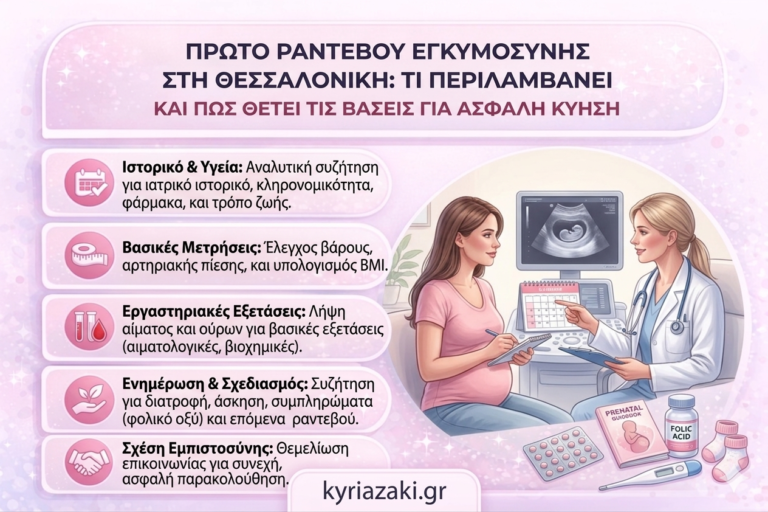
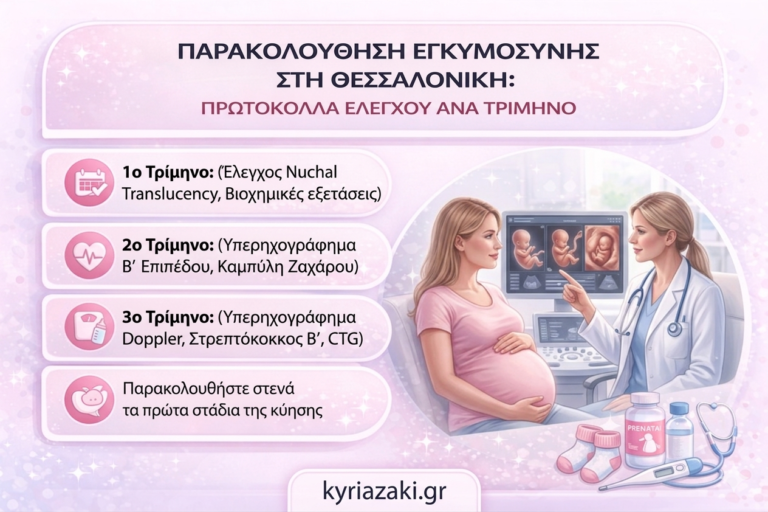
Keep your prenatal appointments.
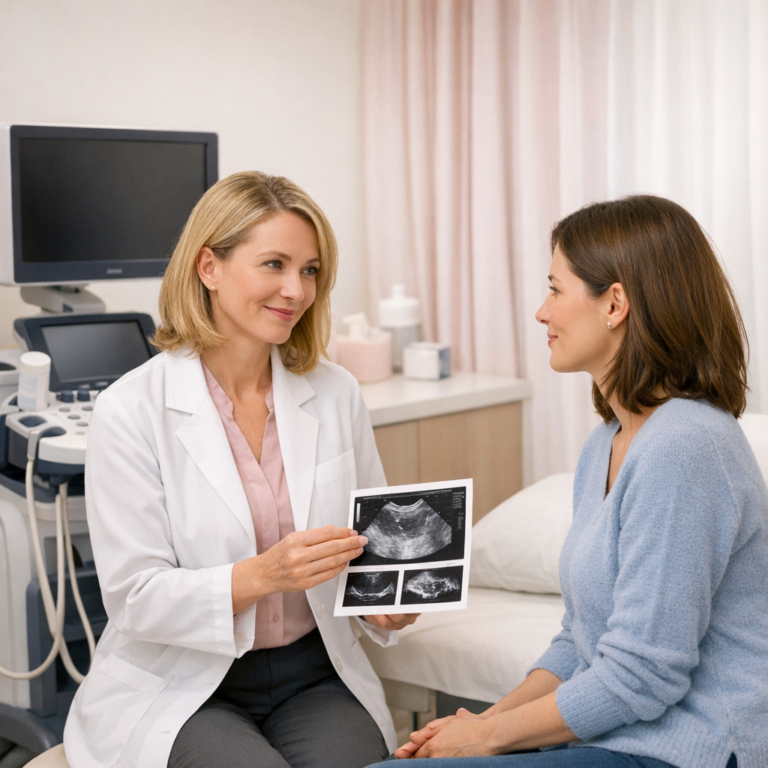
Prenatal appointments are very important to ensure a healthy pregnancy. Always mention any symptoms that concern you at your prenatal checkups. Your gynecologist can assess what may be contributing to your morning sickness, as well as provide relief tips.










 English (UK)
  Ελληνικά